
Last updated November 25, 2026
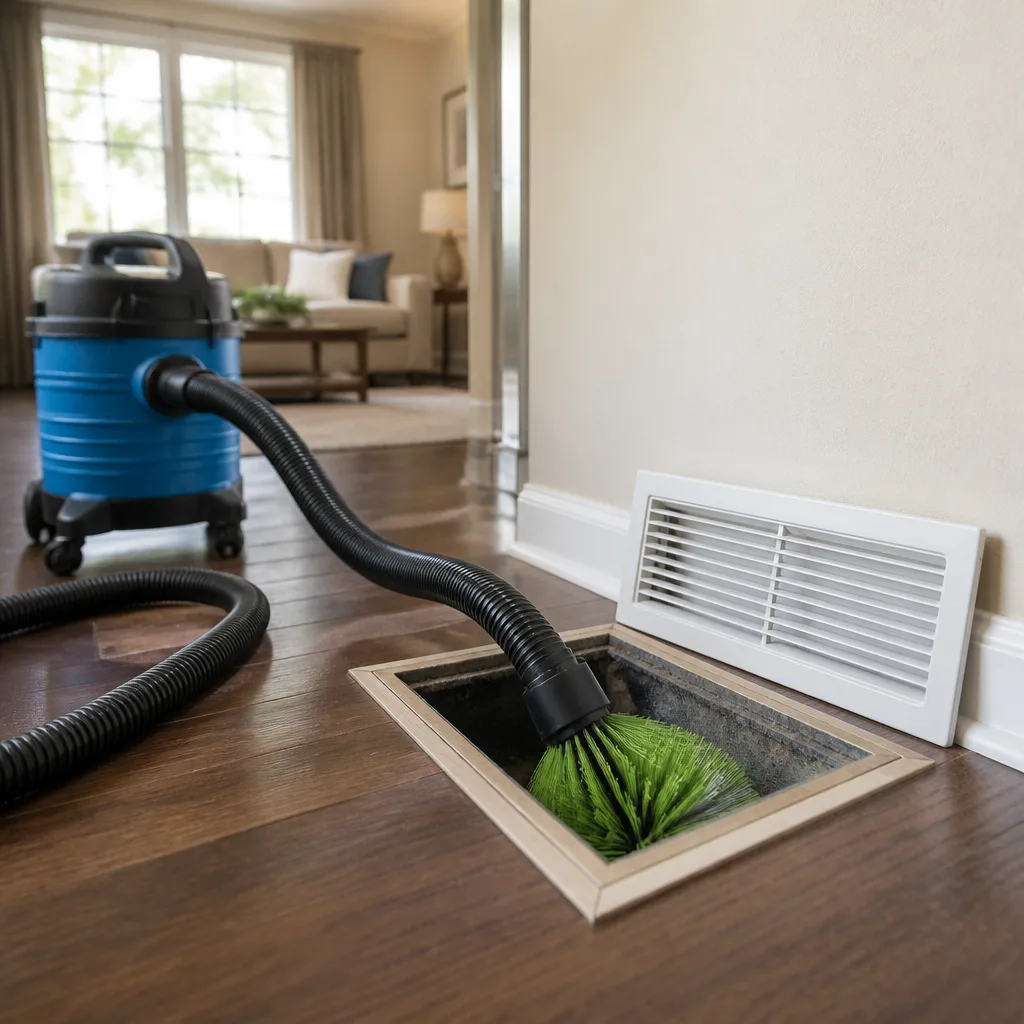 Whole-home duct cleaning
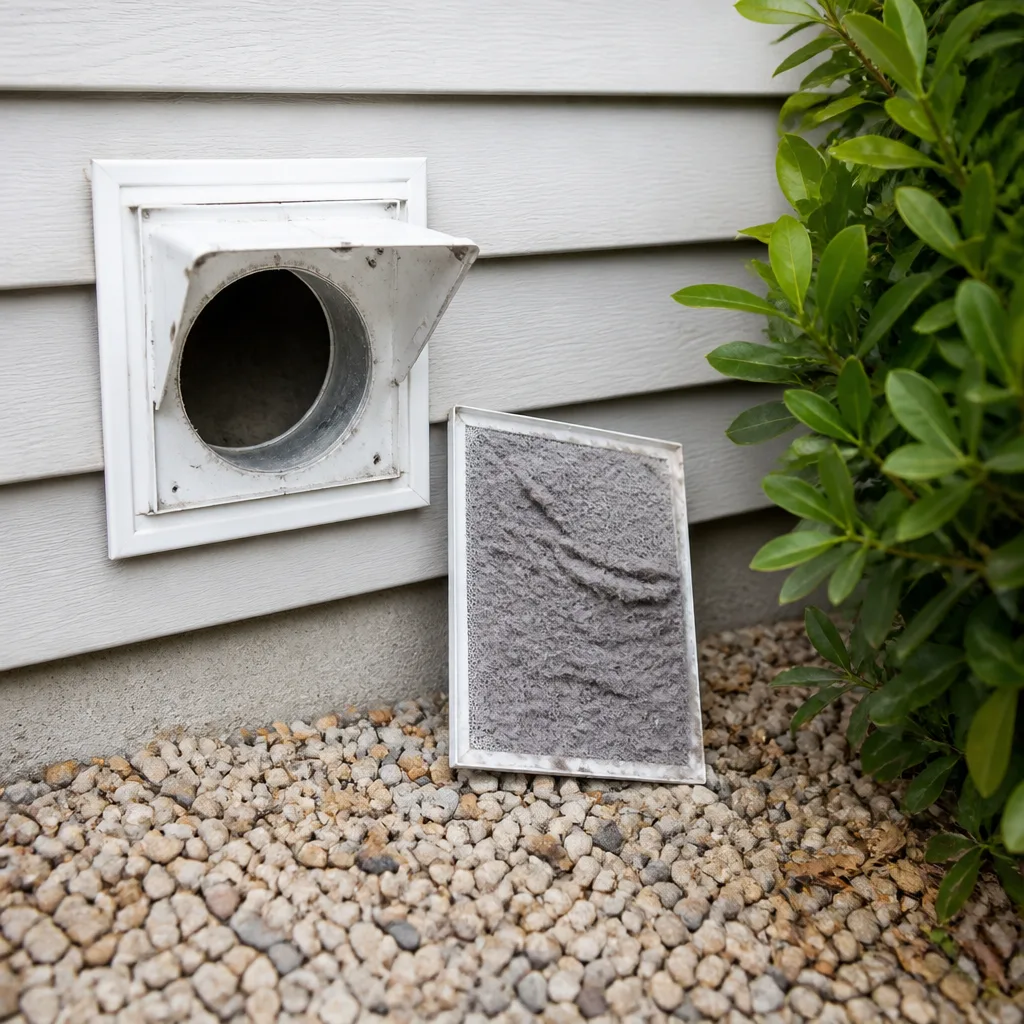 Dryer vent cleaning
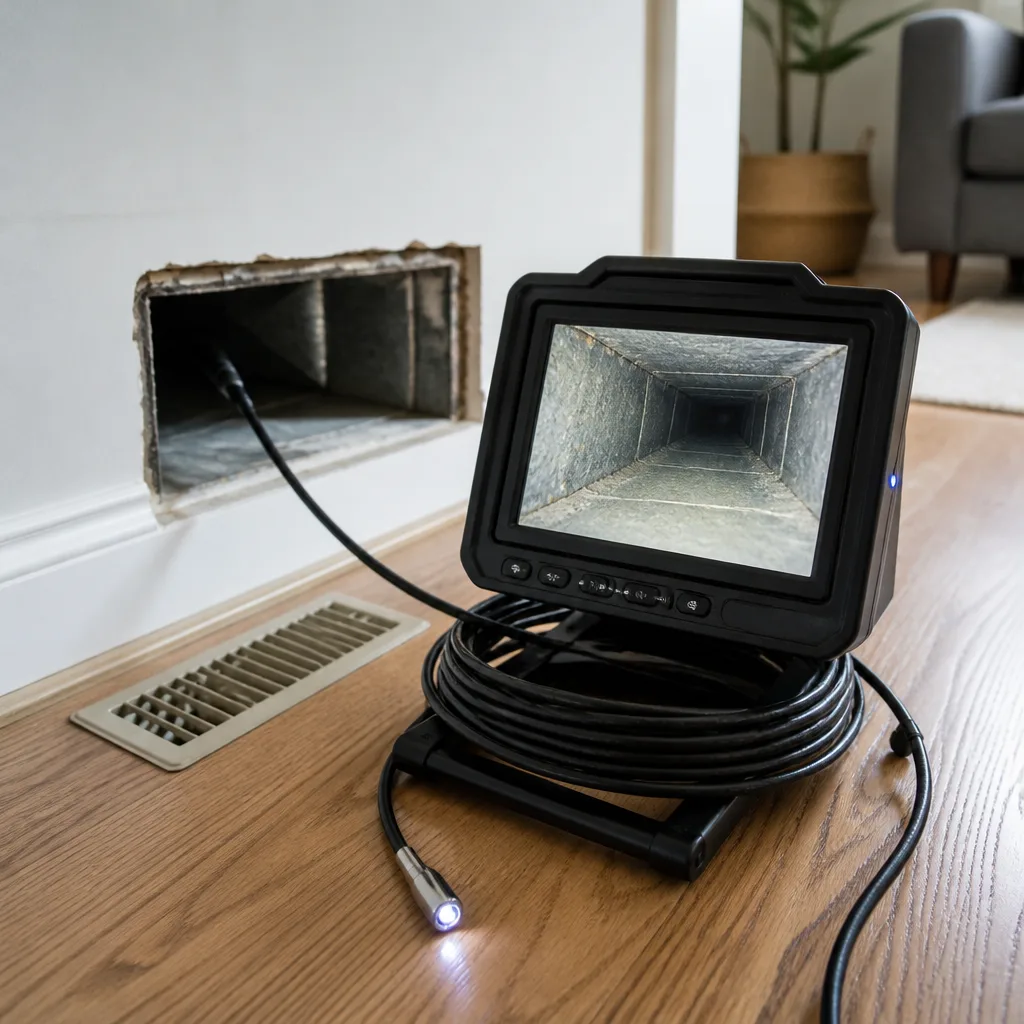 Camera inspection
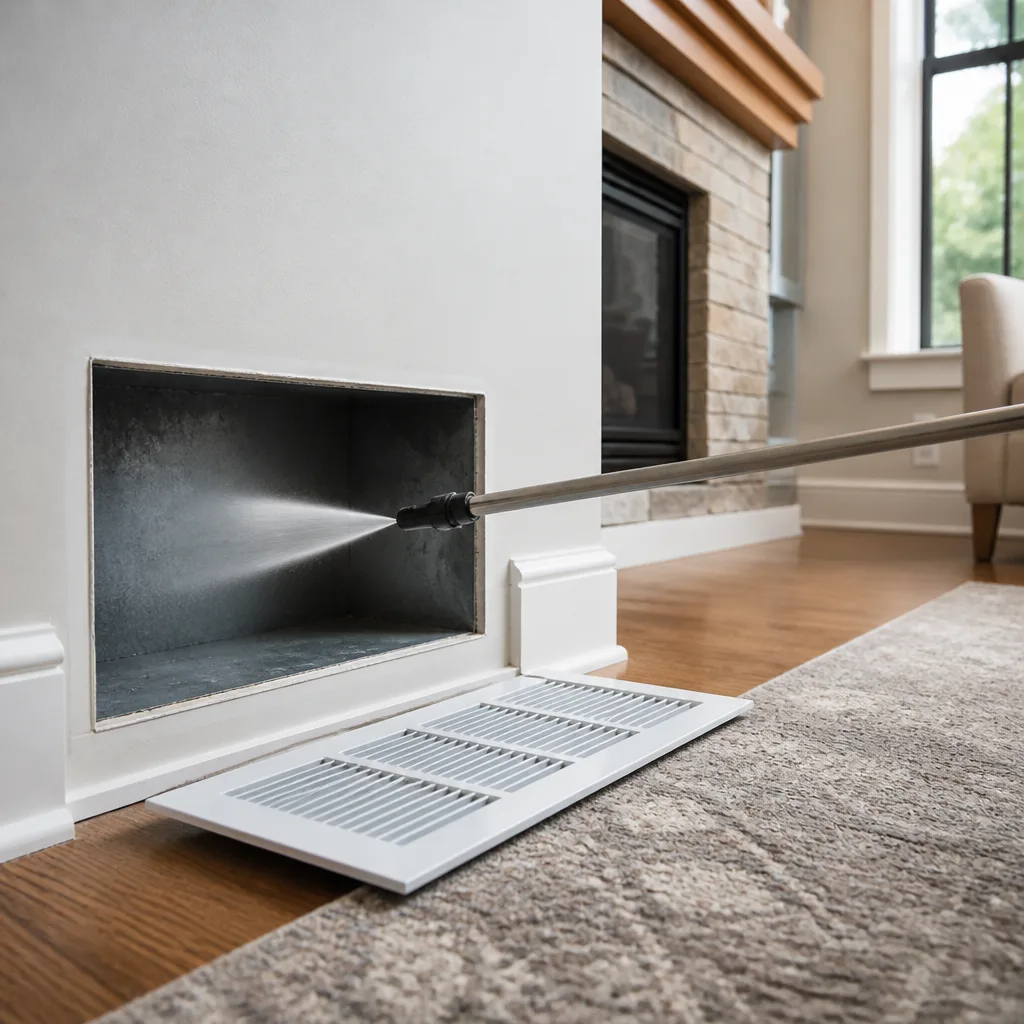 Sanitizing & deodorizing
Whole-system duct and dryer vent check with before-and-after photos - you see exactly what came out of your vents
That "$99 whole-house special" is a bait ad - the real number appears once they are in your hallway, or the "clean" is a shop-vac at the register. We photograph the inside of your ducts before and after instead.
Air Duct Cleaning Warning Signs: A Morningside Homeowner’s Reference Guide
Dust on a supply register is not a warning sign. It’s normal, and every home in Morningside has it. The signs that actually point to a duct system problem are quieter than that: a bedroom that never warms up, a stale smell in the hallway that you’ve stopped noticing, a static charge that clings to every surface. Most homeowners here walk past those signs for years because nothing is obviously broken. This reference guide breaks down what those signals look like in Morningside’s older housing stock, which ones mean call now, and which ones simply mean the system is overdue for air duct cleaning.
Quick Answer
Real air duct problems in Morningside usually show up as uneven room temperatures, a musty or dusty smell that returns after you clean, visible dark stains near registers, and surfaces that collect dust faster than the rest of the house. One or two of these points to routine cleaning being overdue; three or more together, especially with allergy symptoms indoors, point to internal contamination that needs professional inspection before you book anything.
Styles & brands we work with
- Whole-home duct cleaning
- Dryer vent cleaning
- Camera inspection
- Sanitizing & deodorizing
Table of Contents
- Cosmetic Dust vs. Internal Contamination
- Uneven Temperatures and Airflow That Signals Duct Failure
- Odor Identification: What Mildew, Burning Dust, and Chemical Smells Mean
- Warning Signs in Older Morningside Homes With Original Duct Runs
- When Cleaning Alone Won’t Solve the Problem
- How to Inspect Your Own System Before You Call Anyone
- Allergy Symptoms vs. Contamination: Telling Them Apart
- What Rising Energy Bills Actually Tell You
Cosmetic Dust vs. Internal Contamination
There’s a real difference between dust you can see settling on a register and dust that’s coming out of the register. The first is a housekeeping issue. The second is contamination traveling through the system every time the blower runs.
Cosmetic dust is uniform, light-colored, and wipes away cleanly with a damp cloth. If the register face looks grayish and the grille slots are evenly coated, that’s the normal precipitation of dust from room air passing over a slightly charged metal surface. Every Morningside home gets it, and it doesn’t mean the ducts are dirty.
Internal contamination looks different. Watch for these signals:
- Dark streaks or staining around the register boot where the duct meets the wall or ceiling, suggesting air is escaping and depositing debris at the joint
- Dust that returns within days of wiping a register, especially the same pattern in the same spot
- Visible fuzz or debris inside the duct opening when you shine a light into the boot from the register
- Black or greenish speckling on the inside of the grille or duct surface, which can indicate moisture-driven growth
- Sticky or chalky residue on the register face instead of dry dust
Mold is the one to take seriously. It needs moisture, and moisture in a duct usually means a leak somewhere upstream. Our technicians use HVAC cleaning equipment to look inside the air handler and coil area, because surface cleaning a register does nothing if the moisture source is still active. If you see what looks like mold growth, don’t spray anything on it yourself. Get it inspected. We use Guardsman-grade sanitizing products for air quality and odor control once the source is addressed, and that step matters more than the cleaning itself.
Uneven Temperatures and Airflow That Signals Duct Failure
A room that’s consistently a few degrees off from the rest of the house is one of the most reliable signs of a duct system problem, and one of the most ignored. Homeowners tend to attribute it to the thermostat, the windows, or the room’s orientation.
How to tell the difference:
- Check register airflow at each room. Hold a tissue or your hand over every supply register while the system runs. Weak airflow in one room while others push strongly points to a duct problem, not a room problem.
- Note whether the weak room changes with the season. A room that’s cold in winter and hot in summer, while others are fine, is usually losing conditioned air somewhere or getting too much return.
- Listen for whistling or rushing. A register that’s louder than others is often leaking at the boot or starved by a kink in the run behind the wall.
- Look for disconnected or collapsed flex in attic and crawlspaces. Flex runs that have sagged or pulled loose at the collar dump conditioned air into the attic, which is the same as paying to cool your attic.
In Morningside homes, the most common pattern we find is a poorly balanced return. A return that’s too small or too far from the supplies will pull against the whole system, and no amount of register adjustment fixes it. That’s a repair conversation, not a cleaning one, and we say so when we see it. Our duct repair and sealing work exists for exactly this reason: clean ducts are only part of the job, and sealing and repairing what’s broken is the other half.
Odor Identification: What Mildew, Burning Dust, and Chemical Smells Mean
Smell is the fastest diagnostic tool a homeowner has, but only if you know what each smell points to. Here’s how to read them.
Musty or mildew smell
Moisture. Somewhere in the system, dust has gotten wet and stayed wet. The usual culprits are a condensate leak near the air handler, a crawlspace with elevated humidity feeding into the return, or an oversized system short-cycling so it never removes enough moisture from the air. A musty smell is not something cleaning alone addresses. In our experience, it comes back within weeks if the moisture source is untouched, which is why we look at the whole system, not just the ductwork, and offer air quality and sanitizing as part of the scope.
Burning dust smell
The smell of hot dust on first startup in the fall is usually benign. A burning dust smell that appears mid-season, or one that doesn’t clear within minutes of running the system, points to heat exchanger or electrical contact issues and should be checked before the system runs again. Don’t diagnose that yourself.
Chemical or solvent smell
Unusual and less common. A sharp chemical smell can come from a refrigerant leak, a motor overheating, or something stored near a return duct getting pulled into the airstream. If you can’t trace it to a source in the house, shut the system off and have it checked.
Stale, flat smell throughout the house
This is the everyday one. No localized source, no moisture, just a house that feels “used” when you come home after a day away. It’s the clearest sign that a system is circulating debris, and it’s the signal that usually means a professional whole-system cleaning is due. Our team connects you with local professionals who use equipment like Nikro HEPA extraction units and Abatement Technologies air filtration, which matters here because a consumer shop vac pushes as much dust back into the room as it removes.
Warning Signs in Older Morningside Homes With Original Duct Runs
Morningside has a lot of housing stock from the mid-20th century, and many of those homes still have original duct runs or have been retrofitted in pieces over decades. That leaves a particular set of warning signs you won’t see in a newer build.
- Mismatched duct materials. Metal trunk lines feeding flex branch runs, or vice versa, are common after partial renovations. The joints between materials are the most likely leak points in the system.
- Asbestos-containing duct tape or wrap. Older homes sometimes still have fabric duct wrap or taped seams that predate modern materials. Don’t disturb them; ask a professional to look before any cleaning work touches them.
- Panned returns. Some older systems use wall cavities or joist spaces as return chases. Those cavities collect dust, debris, and sometimes nesting material, and cleaning them properly requires equipment that can reach into the cavity.
- Rust at the base of metal boots. Rust means moisture has been present at the joint. Look for staining on the drywall or ceiling below it, which points to a leak above the duct.
- Airflow that’s never been balanced. A system installed for a 1950s heating load and then retrofitted with central air often has return capacity that was never resized. The symptom is chronic uneven cooling in summer.
One thing we’d flag: if a crawlspace vent was ever closed off or a basement was finished over ductwork, get the whole run inspected. Sealed cavities that once had ventilation are where moisture problems start, and in this climate the humidity swings are enough to hold it there. A professional whole-system inspection should include the air handler, the supply trunk, all branch runs, and the returns. If you have a dryer vent that runs through the same block of the house and feels warm for a long time after the dryer stops, that’s another common signal in older homes, and a good reason to book dryer vent cleaning alongside the rest.
When Cleaning Alone Won’t Solve the Problem
Cleaning restores airflow and removes accumulated debris. It does not fix a leak, replace a collapsed run, or seal a compromised joint. Knowing when you’re past the cleaning-only threshold saves you from paying twice for the same problem.
The warning signs that mean cleaning alone isn’t enough:
- Dust returns to the same surfaces within a week. That’s a leak pulling unfiltered air from attic or crawlspace into the system.
- Chronic uneven temperatures persist after cleaning. A cleaned system that still heats unevenly has a balance or duct design problem.
- Visible damage at a flex collar or joint. Disconnected or crushed flex needs repair, not cleaning.
- Moisture or mold symptoms that reappear after sanitizing. The moisture source wasn’t addressed, and sanitizing without sealing the moisture path is a temporary fix.
- A room that gets no airflow at all. That’s almost always a disconnected or blocked run behind the wall.
- High dust in the air right after a service. A thorough cleaning may release debris that was trapped, but if it persists for days, something in the cleaning or the system wasn’t right.
When we find any of these, the scope of the job changes, and it changes in a way we can show you. Our duct repair and sealing service is built into the same visit setup as cleaning, which is the reason a single company handles the full scope. Clean, seal, sanitize, and confirm the system is actually delivering the air it’s supposed to. If the system is holding up but the air quality still feels off, the issue may be a filtration or humidity control gap, and understanding how your existing Honeywell or Aprilaire equipment is doing the job is a piece of that puzzle.
How to Inspect Your Own System Before You Call Anyone
You can gather most of what a technician needs before anyone shows up. This isn’t a substitute for a professional inspection, but it makes the appointment shorter and more useful.
- Walk the house with the system running and note every room where airflow feels weak, loud, or absent.
- Shine a flashlight into each supply register and look for darkness, debris, moisture staining, or visible growth. Don’t reach inside.
- Check your filter. If it’s gray within a month of replacement, the system is moving more debris than it should capture, and the filter’s MERV rating may not match the system.
- Look at surfaces near returns. A halo of dust around a return grille is normal; heavy accumulations on nearby walls and furniture are not.
- Smell test each room after a day with the house closed up. Note where the smell is strongest.
- Check for airflow at the dryer vent exit outside the house. Weak airflow means a partially blocked vent, which is a fire concern and a separate call.
Take photos of anything that looks off. A picture of the inside of a register boot, or dust patterns on a wall, tells a technician more than a description. We don’t recommend homeowners remove registers or tape, open ductwork, or climb into attic or crawlspace spaces to inspect duct runs themselves. Serious injury and structural damage both happen in those spaces, and visible damage from above usually doesn’t tell you if the run behind the drywall is compromised anyway.
Allergy Symptoms vs. Contamination: Telling Them Apart
Allergy and contamination are not the same thing. Seasonal allergies follow pollen. Contamination follows exposure to debris inside the system, and the pattern of symptoms is different.
The pattern to watch for:
- Symptoms that improve when you leave the house and return within a couple of hours of getting home are a strong signal the indoor air is the trigger.
- Morning symptoms that are worst on the first day back from a trip point to an environment that’s been closed up.
- Symptoms in one room and not others suggest the duct serving that room is the source.
- Symptoms that track with HVAC use (worse when the heat first comes on or the AC starts for the season) suggest the air handler or ductwork.
- Symptoms that resolve after a professional cleaning confirm the source, and are also useful to have documented if you’re a property manager.
We don’t diagnose medical conditions, and we don’t overstate what cleaning can do. What we can say is that in Morningside homes where a cleaning scope included a documentation set of before-and-after photos, homeowners with recurring indoor allergy patterns have used that record to decide whether a follow-up inspection or a duct repair was the next step. Sanitizing helps with odor and microbial load once cleaning has removed the source material, and our team applies Guardsman-grade products for that purpose as a defined part of a service, not as a spray-and-go.
What Rising Energy Bills Actually Tell You
A higher energy bill is a lagging indicator. By the time you notice it, the system has usually been losing efficiency for a while. But that doesn’t mean cleaning fixes every bill problem.
What bills can tell you:
- Short-cycling (system running more, delivering less) can come from airflow restriction, and restricted airflow is often duct-related.
- Running longer in heating or cooling season while rooms stay uneven points to leaks in duct runs that are dumping conditioned air into unconditioned space.
- A jump in cost without a change in usage points to equipment, ductwork, or both, and needs an inspection to separate the two.
What bills can’t tell you: whether the problem is filter, equipment, ductwork, or infiltration. That’s why we treat a cleaning as a diagnostic opportunity, not a standalone fix. When a technician is working through the system, the inspection is happening at the same time, which is the practical argument for booking the whole scope with one provider. It’s the reason we recommend booking Air Duct Cleaning Morningside with the full service list in view, so the visit covers the whole system and not just the visible run.
Common Mistakes to Avoid
- Treating register dust as the warning sign. It’s cosmetic. Look for dust returning quickly after cleaning and staining at the boots instead.
- Assuming a new filter means the ducts are clean. The filter catches what reaches it. Debris that settled in the ductwork years ago isn’t going anywhere without cleaning.
- Booking a cleaning without a scope in writing. A price per vent, with no before-and-after photos and no inspection, is a low price with a wide range of possible outcomes. Ask for a flat price per system, agreed before the work starts.
- Letting a cleaning stop at contamination. If the moisture source or duct leak is still there, the cleaning will need to be repeated. Ask whether the scope includes repair and sealing.
- Cleaning a dryer vent with a shop vac. It’s a fire-safety service, not a dusting. The vent run needs to be cleared all the way to the exterior termination, and the vent path checked for damage.
- Ignoring a musty smell in a crawlspace-served home. Morningside homes with crawlspaces are especially prone to this, and the return often pulls air through that space. The smell will come back until the moisture path is fixed.
- Skipping the Honeywell or Aprilaire side of the question. If the system has filtration or humidity control equipment already installed, cleaning a duct without checking the equipment means you may be cycling clean air back through a saturated component.
See the difference
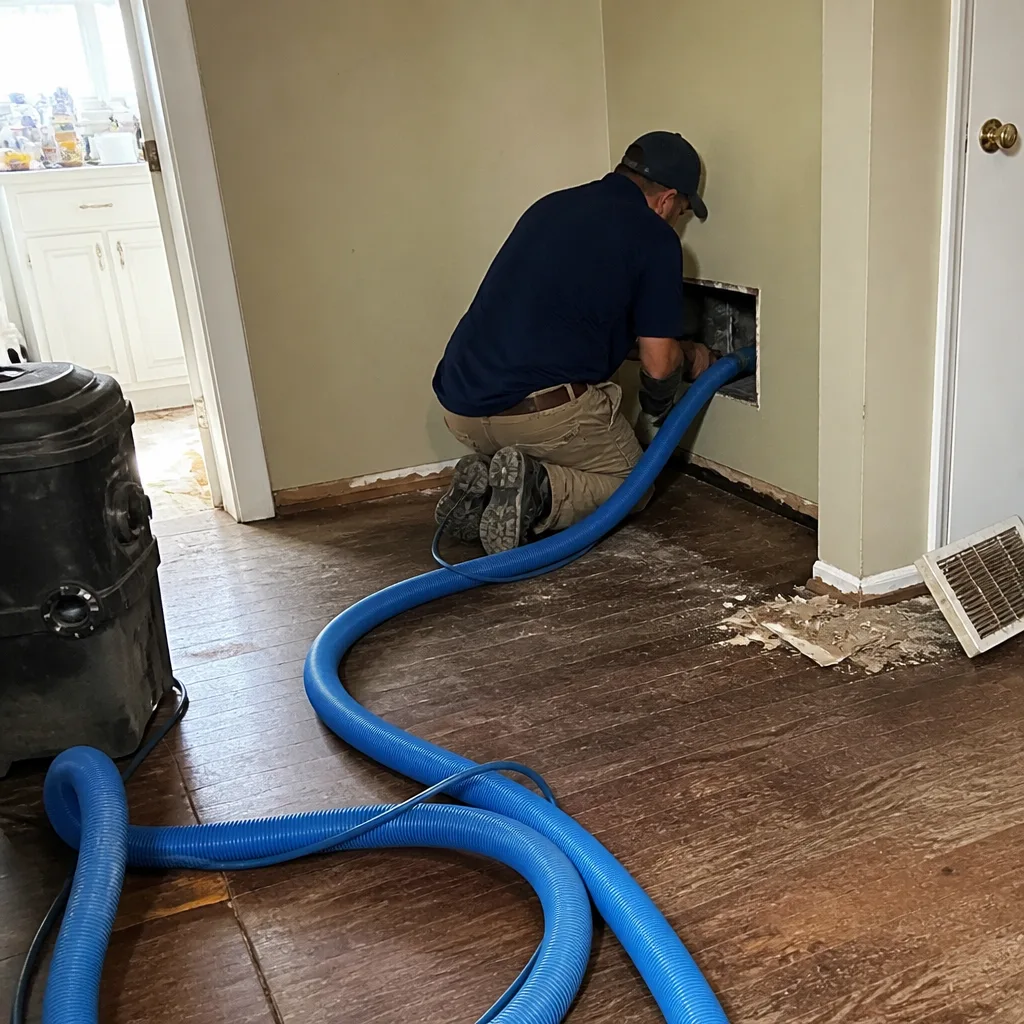 Before
 After
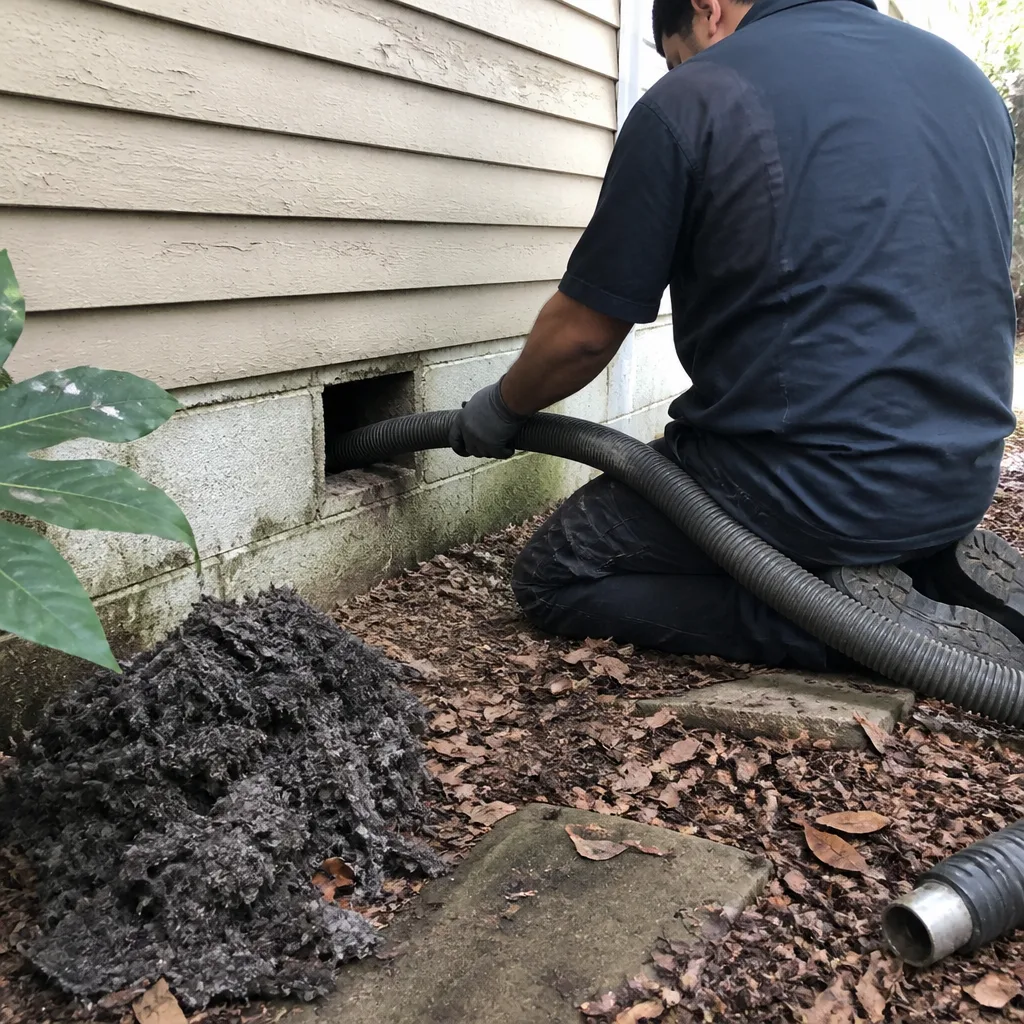 Before
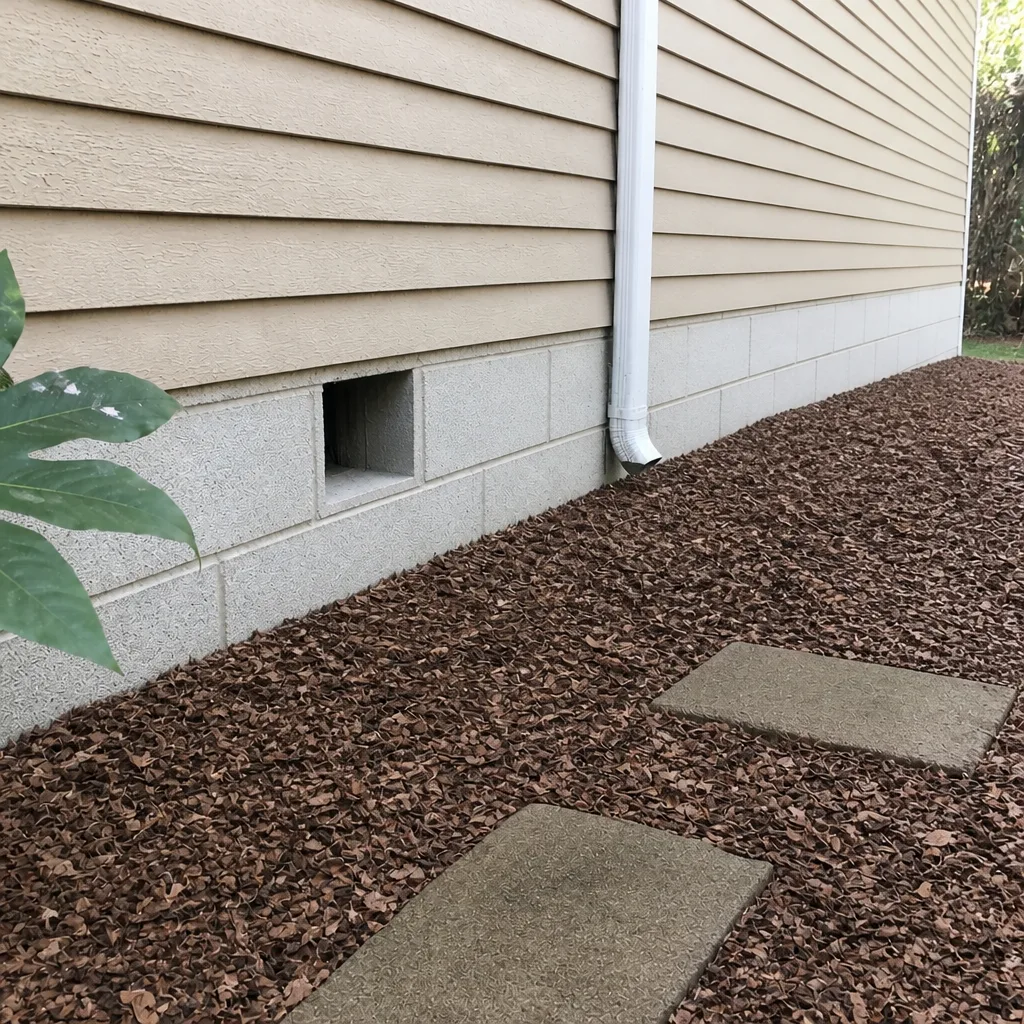 After
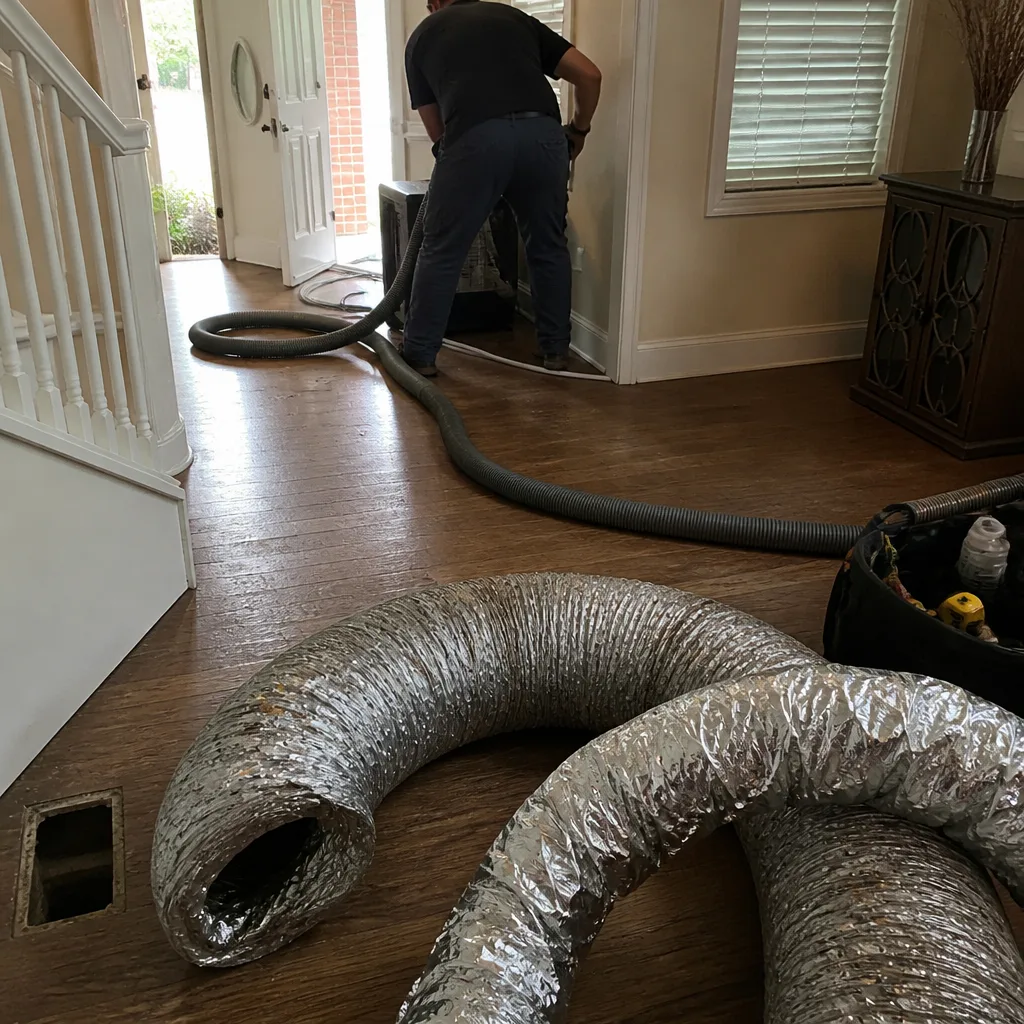 Before
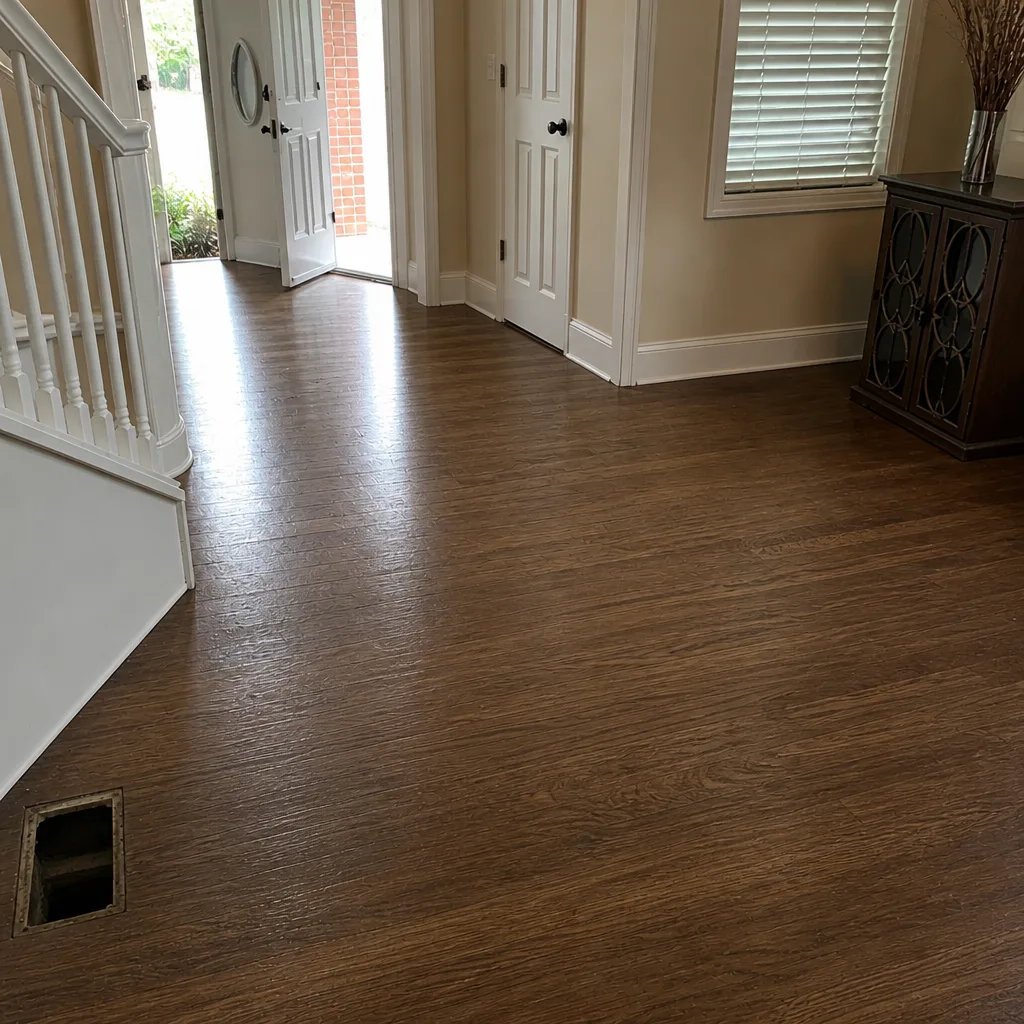 After
When to Call a Professional
Call now, not in a few weeks, if you notice any of these: a musty or chemical smell you can’t source, visible mold or dark staining inside a register, a room with no airflow at all, a burning smell during operation, or moisture in the air handler area. Those need an inspection before the system runs again, because running it distributes whatever’s inside.
Call on a normal week if you notice: chronic uneven temperatures, dust returning within days of cleaning, allergy symptoms that improve when you leave the house, a system that cycles on longer than it used to, or a dryer that takes more than one cycle to finish a load. Those point to routine cleaning being overdue and a repair or sealing check being worthwhile. Air Duct Cleaning Morningside offers free estimates in Morningside. Call (855) 907-3554. We answer 24/7. Fast dispatch from 7am to 7pm, Sunday through Friday. A local pro who is licensed and insured as their state requires does the work, and you get one flat price per system agreed before anything starts, plus before-and-after photos of your own ducts so you can see what was removed. Our technicians have up to 15 years of experience with systems like yours.
Frequently Asked Questions
The first reliable signs are usually a stale smell in the house when it’s been closed up, dust returning to the same surfaces within days of wiping, and one or two rooms that never match the rest of the house. Visible register dust alone isn’t a reliable sign. Three or more of those symptoms together, especially with indoor allergy patterns, are the clearest indication that a professional cleaning and inspection is due.
Mold in a duct usually shows up as dark or greenish speckling on the duct surface or register grille, often with a musty smell and sometimes with visible moisture or staining near the joint. Plain dust is dry, gray, and evenly distributed. If you see speckling or smell mildew, don’t spray it yourself; have a professional inspect it. If mold is confirmed, cleaning alone isn’t the answer, and the moisture source has to be addressed.
Cheap quotes are usually low per-vent numbers with a scope that’s never written down, and the price often changes once the technician is on site. A flat price per system, agreed before work starts, with documented before-and-after photos and an inspection included, is the honest comparison. Ask for the scope in writing and the photo record before you book. Call (855) 907-3554 for an exact quote; estimates are free.
Most homes don’t need it on a fixed calendar. Instead, it’s due when you see the signs in this guide: dust returning quickly, a persistent smell, uneven temperatures, or symptoms tied to the system. Homes with pets, recent renovations, or crawlspace returns tend to need it more often. If the signs aren’t present, you can wait.
Sometimes it helps, and sometimes it doesn’t. Cleaning restores airflow, and if the bill problem is restricted airflow from debris, cleaning contributes. If the bill problem is a duct leak, a sizing issue, or equipment trouble, cleaning alone won’t fix it, and a repair or sealing scope is the right next step. A proper inspection separates the two before you decide.
If a smell returns after cleaning and sanitizing, the source was never addressed. A residual musty smell points to moisture, and a chemical smell points to equipment. In either case, book an inspection to find the source rather than rebooking the same cleaning. Call (855) 907-3554 and the local pro will look at the whole system.
Not the same signs, but the same category of problem. A clogged dryer vent shows up as longer dry times, a hot dryer cabinet, and weak airflow at the exterior termination. It’s a fire-risk service and should be handled on its own, not folded into a duct cleaning as an afterthought. It’s one of the service categories we specifically book as a dedicated visit.
The Bottom Line
The signal that separates a normal house from a duct problem isn’t what you can see on a register. It’s what returns after you clean, what a room does when the system runs, and what the house smells like after a day closed up. Read the guide with that in mind: mold or moisture symptoms mean stop and inspect; airflow and temperature complaints mean the system is imbalanced or leaking; smell and recurring dust mean cleaning is overdue. When two or three of those show up together, it’s time for a professional scope that covers cleaning, repair, and sanitizing as one visit, not three. That’s the whole idea behind the way Air Duct Cleaning Morningside works, with professional equipment from brands like Rotobrush and Abatement Technologies on every job and a single provider accountable for the full scope.
If your Morningside home is showing any of the signs in this guide, call (855) 907-3554 for a free estimate. We answer 24/7. Fast dispatch from 7am to 7pm, Sunday through Friday. One flat price per system, agreed before work starts, with before-and-after photos of your ducts.
Written by the team at Air Duct Cleaning Morningside.