
Last updated November 25, 2026
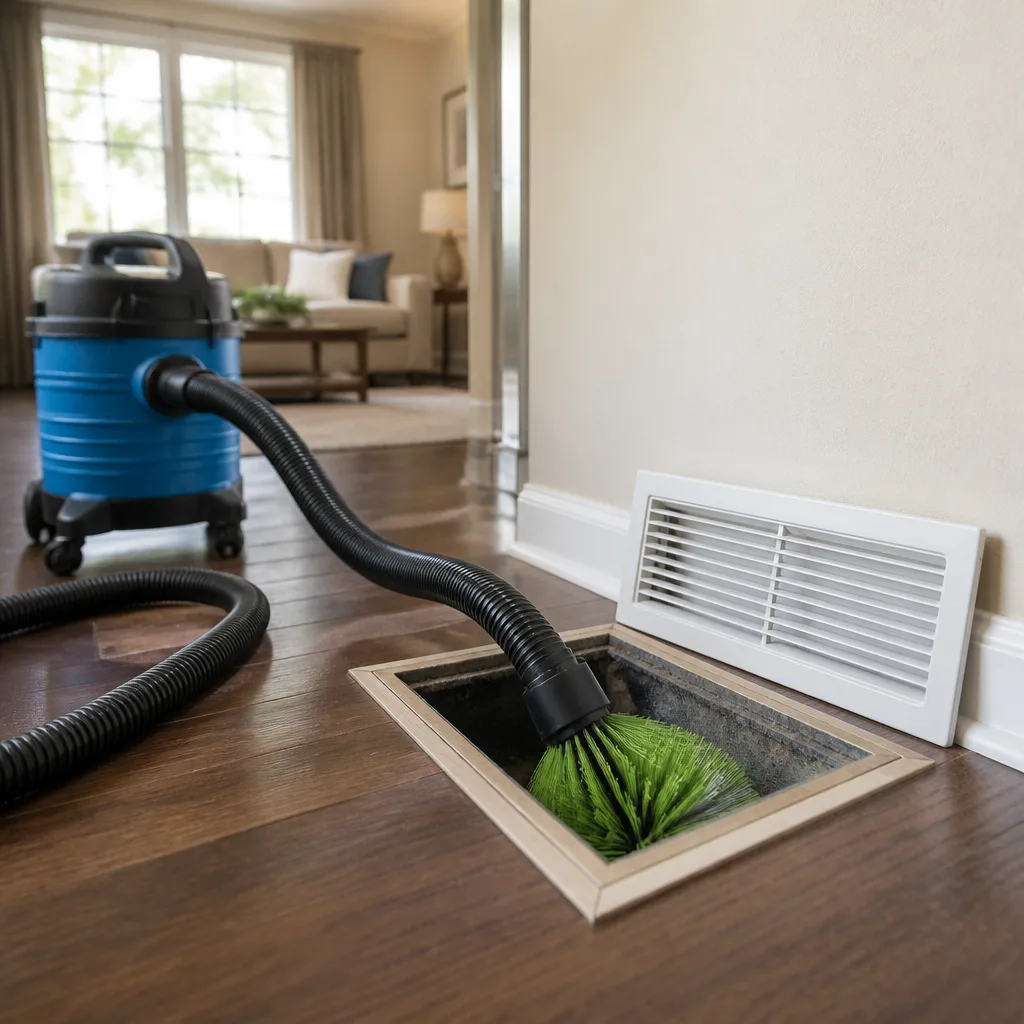 Whole-home duct cleaning
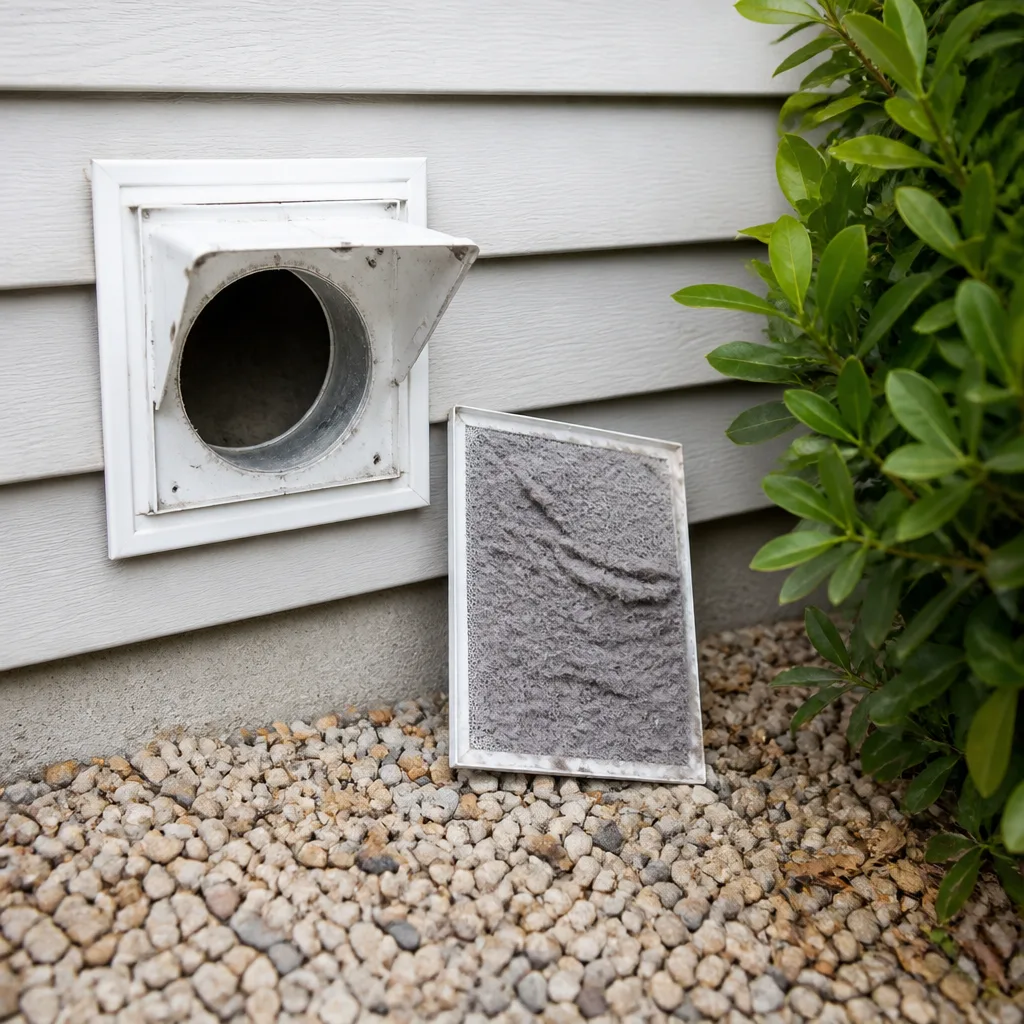 Dryer vent cleaning
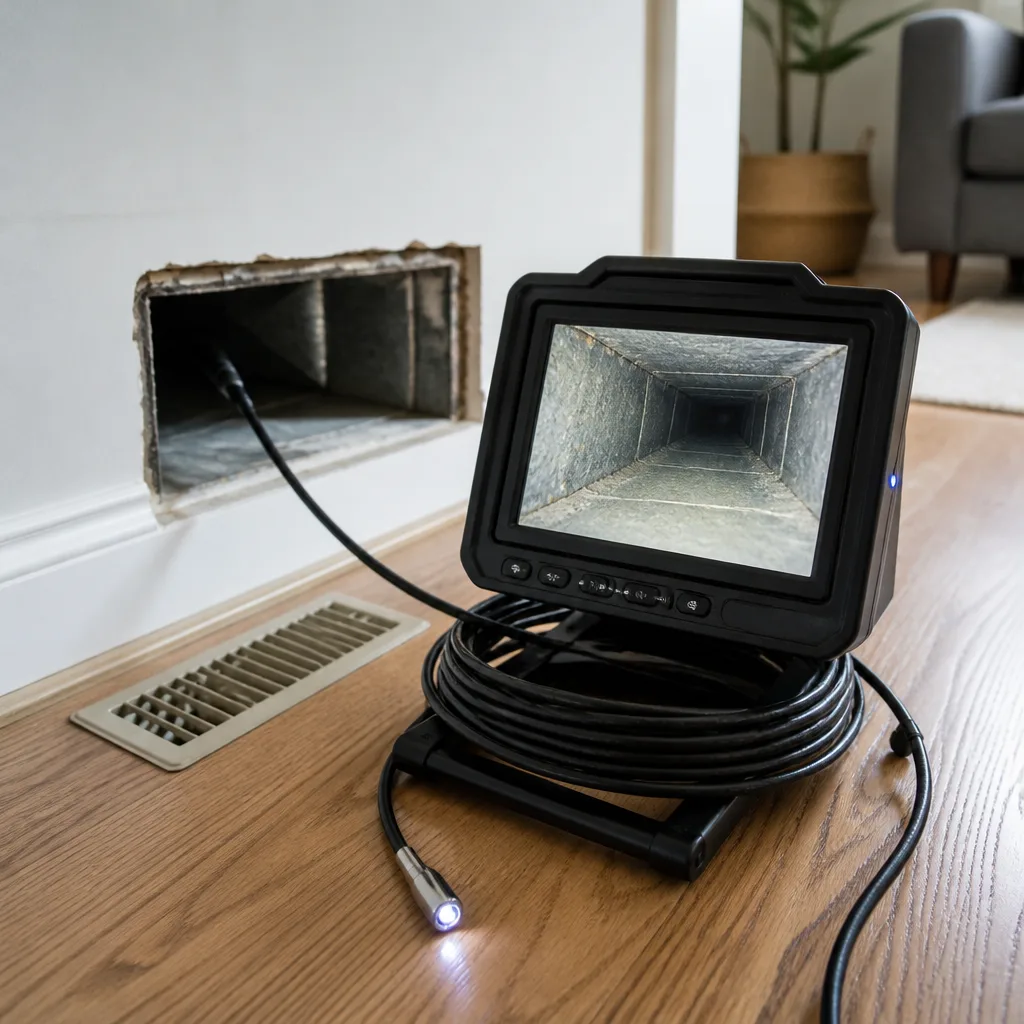 Camera inspection
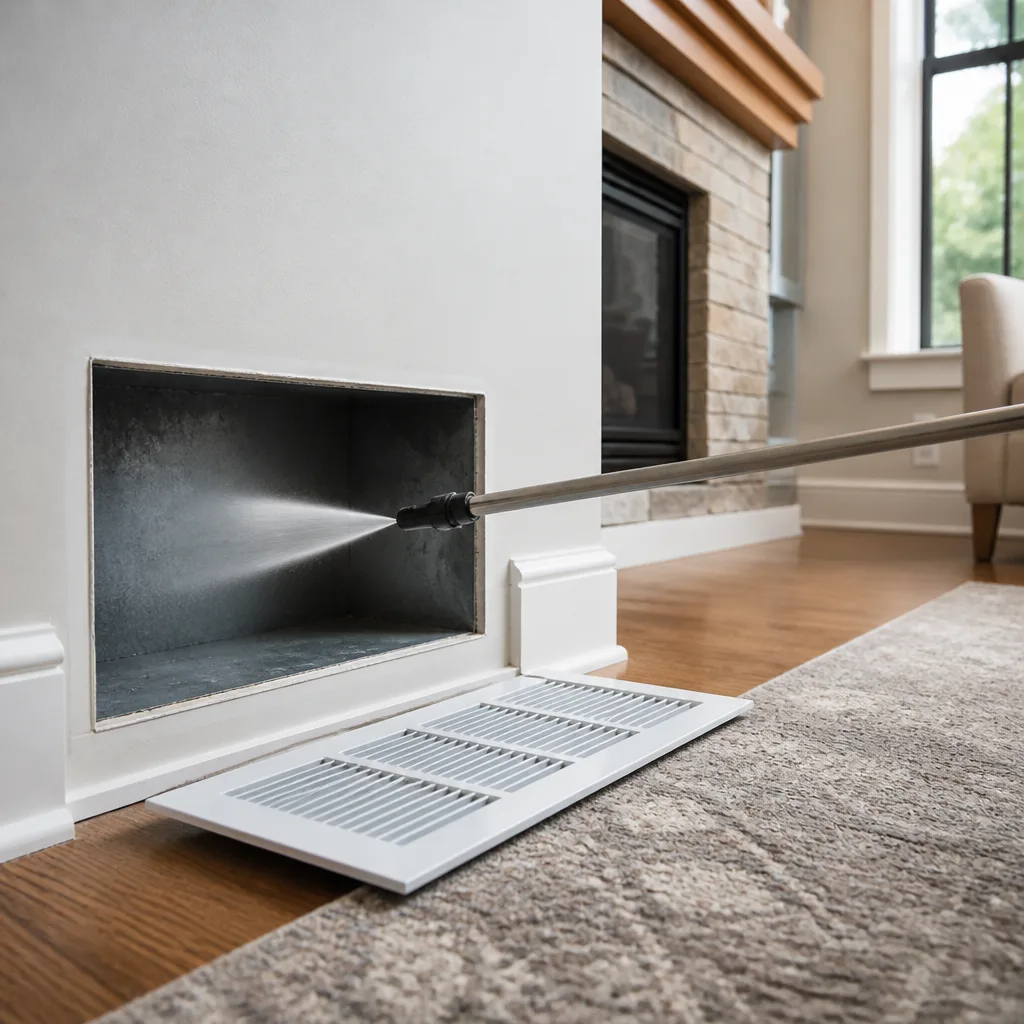 Sanitizing & deodorizing
Whole-system duct and dryer vent check with before-and-after photos - you see exactly what came out of your vents
That "$99 whole-house special" is a bait ad - the real number appears once they are in your hallway, or the "clean" is a shop-vac at the register. We photograph the inside of your ducts before and after instead.
Air Duct Cleaning Permits, Codes & Inspections in Morningside, GA: What You Need to Know
Most homeowners assume duct work is invisible and therefore unregulated. That assumption is half right, and the wrong half can cost you at resale. Cleaning the inside of your ducts generally needs no permit anywhere in Georgia. Cutting out a section of duct, sealing it with mastic, rerouting a run, or tying in a new return almost always does. Here in Morningside, where a large share of the housing stock dates to the mid-20th century and duct systems have been patched and extended over decades, the line between cleaning and modification gets crossed quietly. This guide explains where Georgia’s mechanical code draws that line, how Atlanta and Fulton County permitting works in practice, what an inspector looks for, and how to keep your ductwork in a condition that won’t complicate a sale.
Quick Answer
Air duct cleaning by itself does not require a permit in Morningside or anywhere in Georgia. Duct repair, duct replacement, sealing that changes the system, and any modification to duct layout or sizing fall under Georgia’s mechanical code and normally require a permit through the City of Atlanta or Fulton County before work begins. A legitimate duct cleaning company will tell you which side of that line your job lands on before they start.
Styles & brands we work with
- Whole-home duct cleaning
- Dryer vent cleaning
- Camera inspection
- Sanitizing & deodorizing
Table of Contents
- Cleaning Versus Modification: Where Georgia Draws the Line
- When Duct Sealing or Replacement Crosses Into Permit Territory
- How to Confirm a Contractor Is Pulling the Right Permits
- What “Inspection-Ready” Ductwork Actually Means
- How Permit History Affects a Morningside Home Sale
- Older Morningside Housing Stock and What It Means for Duct Work
- A Step-by-Step Look at How a Compliant Job Runs
- Keeping Records That Protect You Later
Cleaning Versus Modification: Where Georgia Draws the Line
Georgia adopts the International Mechanical Code as the basis for its statewide mechanical requirements, and local jurisdictions like Atlanta and Fulton County then administer permitting and inspection on top of it. The code cares about anything that changes how a system moves air, delivers combustion air, or vents exhaust. It does not care about removing dust from the inside of a duct that stays exactly where it is.
In practical terms, that means the following distinctions matter:
- No permit typically required: source removal cleaning of duct interiors, coil cleaning, blower cleaning, register and grille cleaning, sanitizing applications, and dryer vent cleaning where the vent path is unchanged.
- Permit typically required: cutting in new supply or return runs, resizing duct, relocating a register, replacing flex with rigid or vice versa, rebuilding a plenum connection, adding a return to a room, or any work that changes the system’s designed air distribution.
- Gray area: sealing existing joints and seams with mastic or approved tape. Minor sealing of accessible joints during cleaning is common and usually treated as maintenance. Sealing large sections, encapsulating duct, or using aerosol sealant from the inside is a system modification and should be handled by a licensed mechanical contractor who pulls the appropriate permit.
We mention this because the two activities get bundled together in the market. A company advertises duct cleaning, finds disconnected flex in the attic or a crushed run behind a soffit, and offers to “fix it while we’re here.” Sometimes that fix is genuinely just reconnecting and re-taping, which is maintenance. Sometimes it’s rebuilding a trunk line, which isn’t. In Morningside, with its mix of ranches, bungalows, and renovated two-stories, we’ve seen both in the same house. The question to ask before anyone touches metal or flex is simple: does this change the system or restore it?
One more distinction worth stating plainly. Cleaning does not “void” a permit. If a permit exists for prior HVAC work, cleaning has no bearing on it. But if unpermitted work was done years ago and never inspected, cleaning will sometimes uncover it, and that’s a conversation you want to have with full information rather than at a closing table.
When Duct Sealing or Replacement Crosses Into Permit Territory
Morningside sits inside the City of Atlanta, and HVAC permitting for most residential work in this part of Fulton County runs through the city’s permitting process rather than a separate county office. The exact office and portal change from time to time, so the reliable move is to call the City of Atlanta’s building department or check the current online permitting portal before work starts, not after. Ask one question: does replacing this length of duct, or adding this return, require a mechanical permit?
Here’s the honest answer most homeowners won’t hear from a discount coupon crew. Several categories of “duct work” that get sold as cleaning upgrades are permit-triggering modifications:
- Duct replacement. Pulling out failed flex or rusted hard pipe and installing new duct is a mechanical alteration, not a cleaning task.
- Adding a supply or return. Even one new register changes the system’s balance and needs to be designed and permitted.
- Resizing a run. Going from a six-inch to an eight-inch branch to fix a hot room is a design change.
- Aerosol or full-system sealing. Sealing from the inside is a recognized efficiency measure, but it changes airflow characteristics and should be done by a licensed mechanical contractor.
- Plenum modifications. Rebuilding the connection between the air handler and the duct trunk is squarely in permit territory.
- Connecting a new appliance or exhaust path. Range hood ducting, bath fan ducting, and dryer vent reroutes all have their own code requirements for termination and length.
What usually does not need a permit: cleaning, sanitizing, and reconnecting a duct that has simply come loose to its existing boot or collar. That last one comes up constantly in Morningside attics, where decades of heat have degraded tape and mastic on flex connections. Restoring a connection is maintenance. Building a new one isn’t.
If your scope does involve a permitted modification, we can clean the system, identify what’s compromised, and either handle straightforward repair and sealing within the maintenance category or point you clearly toward licensed mechanical contracting for the parts that need a permit. For a full picture of what that cleaning visit involves, see our Air Duct Cleaning Morningside page.
How to Confirm a Contractor Is Pulling the Right Permits
You don’t need to know the code to verify compliance. You need to know what to ask and how to check the answer. This takes about ten minutes and saves years of grief.
- Ask, in writing, whether your specific scope requires a permit. Not “do you pull permits” in general. Your scope. A straight answer is either “this is cleaning and maintenance, no permit needed” or “this portion needs a mechanical permit and here’s who’s pulling it.”
- Ask who the licensed mechanical contractor is. In Georgia, the contractor of record on a mechanical permit is a licensed professional. If a duct cleaning company says they’ll “handle it,” ask for the license holder’s name and license number. If they can’t produce one, they aren’t pulling the permit.
- Verify the license directly. Georgia’s licensing board maintains a public lookup. Look up the license number yourself rather than taking a business card’s word for it.
- Confirm the permit exists before work starts. Call the City of Atlanta building department or use the online portal with the address. A permit should appear with the correct scope described. If the address shows nothing and the scope is a modification, stop.
- Ask for the inspection schedule. Permitted mechanical work requires inspection. A contractor who pulled a permit will know when the inspection is and will tell you.
- Demand the final inspection sign-off in writing. The permit card or portal record should show a passed final inspection. That document is what protects you at resale.
One caution: a company that says “we don’t need permits for any of this” is telling you they either don’t understand the scope distinction or intend to do unpermitted work. Either answer should end the conversation. Our stance is simpler, and it’s the reason we’re careful about scope language on every estimate: we tell you plainly what’s cleaning and what isn’t, and we don’t pretend a modification is maintenance to make a sale easier.
What “Inspection-Ready” Ductwork Actually Means
Inspection-ready ductwork is ductwork that an HVAC inspector, a home inspector, or an appraiser can look at and find nothing to flag. That’s the whole standard. It isn’t a certification, it isn’t a rating, and no company can sell you a certificate that makes it true. What makes it true is the physical condition of the system.
An inspector walking a Morningside house is looking for a specific set of things in the duct system:
- Connections that are actually connected. Flex duct slipped off a collar, or tape that has failed after years of attic heat, is the single most common finding.
- Support. Flex duct should be supported at regular intervals and not sagging between supports or crushed against framing.
- Sealed joints at the air handler and plenum. Gaps at the cabinet and plenum are a standard efficiency complaint and a standard inspection note.
- No duct running through unconditioned space without insulation. Attic runs in Morningside get brutal summer heat, and uninsulated or degraded insulation shows up clearly.
- Terminations that comply. Dryer vents and bath fans terminating into an attic or crawlspace rather than outdoors is a defect, not a preference.
- Cleanliness of accessible interior surfaces. Not sterile. Not “lab clean.” Just free of the heavy debris and biological growth that suggests a moisture problem.
Here’s the part that surprises people. Professional cleaning genuinely supports inspection readiness, but not because it produces paperwork. It supports it because a proper cleaning visit is also an inspection visit. To clean a system with contact-vacuum equipment like a Rotobrush setup and HEPA extraction, a technician has to get eyes on nearly every run in the house. That access surfaces the disconnected flex, the crushed run, the failed tape, the sagging span, and the vent terminating in the wrong place. Those findings become a short written list you can act on, either as maintenance during the visit or as permitted work with a licensed contractor.
That’s also where our repair and sealing capability matters. When cleaning turns up a compromised connection or a run that needs rebuilding, we don’t hand the whole job to someone else and disappear. We can seal and repair what’s accessible and within maintenance scope, and we’re clear about what needs a permit and a licensed mechanical contractor. For a closer look at that side of the work, see our air duct cleaning overview.
How Permit History Affects a Morningside Home Sale
This is the part most homeowners don’t think about until they’re three weeks from closing. In Georgia, sellers complete a property disclosure statement, and questions about alterations, repairs, and permits are standard. If a mechanical system was modified without a permit, you’re in a position of either disclosing it or answering for it later. Both are worse than having done it right the first time.
What buyers’ inspectors actually do, in practical terms:
- They inspect the visible portions of the HVAC system and ductwork: attic runs, crawlspace runs, the air handler closet, the registers, and the vent terminations.
- They note visible defects: disconnected or crushed duct, unsealed plenum gaps, improper support, degraded insulation, and vent terminations that don’t meet code.
- They may note evidence of recent or past modification and, in some cases, ask for documentation of permits for that work.
- Their report becomes a negotiation document. Notes become repair requests, credits, or in the worst case, a buyer walking.
Morningside has a particular pattern here. The neighborhood’s homes have often been through one or more renovations, and HVAC changes frequently happen as part of a larger project. A duct system that was modified as part of a permitted renovation has a paper trail. One that was modified by a previous owner’s contractor on a handshake doesn’t. If you’re the current owner, you may have inherited that. The fix isn’t to hide it. The fix is to know the condition of your system, document its current state with a professional assessment, and address anything that’s out of compliance before it becomes someone else’s negotiating leverage.
A cleaning visit that produces a written condition report and before-and-after photos of your own ducts is genuinely useful documentation. It won’t replace a permit, and it isn’t a substitute for one. But it establishes that at a specific point in time, the system was inspected and its condition was recorded. That’s a reasonable thing to hand a buyer’s inspector. For the broader picture of how much this work typically runs, see air duct cleaning.
Older Morningside Housing Stock and What It Means for Duct Work
Morningside’s housing stock spans a wide range. Bungalows and ranches from the mid-20th century sit alongside newer builds and heavily renovated homes. That mix produces predictable patterns in duct work that you simply don’t see in a subdivision built all at once.
In older homes, duct systems were often added or expanded in stages. Original gravity systems were replaced with forced air. Additions got their own runs, sometimes tied in awkwardly. Attic conversions turned unconditioned space into conditioned space without adjusting the duct layout that ran through it. And because Morningside’s summers are long and humid, the moisture load inside duct systems that run through unconditioned attics is real. Condensation on poorly insulated runs, degraded flex jacket, and microbial growth around the air handler are all things we see regularly in this neighborhood.
That history matters for permits because the more a system has been modified over time, the more likely it contains work that was never inspected. When a cleaning visit uncovers a modification that clearly predates your ownership, you’re not obligated to retroactively permit it in most cases, but you are better off knowing. Some modifications can be brought into compliance with a licensed contractor; others are simply documented and left as-is. Either way, knowing the condition of your system lets you make that call with your eyes open.
On the cleaning side, older duct systems demand better equipment than newer ones. Decades of accumulated debris, failing seals, and disconnected joints can’t be addressed with a consumer-grade vacuum or a shop vac on a hose. That’s why we run contractor-grade equipment from Rotobrush and Abatement Technologies on every job, and why HEPA extraction with a Nikro unit is standard rather than an upgrade. If a company’s equipment can’t generate enough negative pressure to pull debris out of a long branch run, they haven’t cleaned the run. They’ve cleaned what they could see.
A Step-by-Step Look at How a Compliant Job Runs
Here’s how a job that stays on the right side of the code line actually runs, step by step. This isn’t a sales pitch. It’s what a properly scoped visit looks like.
- Scope conversation before anyone touches anything. You describe what you’ve noticed: dust, allergies, uneven airflow, high bills. We tell you what cleaning covers and where the line into permitted modification sits. You get a written scope and a price for the cleaning work only.
- Pre-work condition walkthrough. Technician photographs accessible duct runs, connections, and the air handler area before any cleaning. This is your baseline record.
- System setup. The HVAC system is isolated, negative pressure is established with contact-vacuum or HEPA extraction equipment, and the cleaning proceeds run by run rather than register by register.
- Source removal. Debris is pulled, not stirred. Coils and blower are cleaned where they’re part of the scope. Registers and grilles are cleaned separately.
- Condition findings. Anything uncovered that’s outside cleaning scope (disconnected flex, failed tape, crushed run, unpermitted past work, vent terminating in the wrong place) gets documented and shown to you, with photos.
- Sanitizing where appropriate. Guardsman-grade sanitizing products applied to the interior surfaces of the duct system, not sprayed as a fragrance.
- Sealing and repair within maintenance scope. Accessible joint sealing and reconnections done during the visit. Anything that requires a permit is flagged clearly, with a description of the scope and who needs to handle it.
- Post-work documentation. Before-and-after photos of your own ducts, a written summary of findings, and a clear list of any recommended follow-up that requires permitted work.
- Permit referral where needed. If a modification is required, you get a straightforward referral to a licensed mechanical contractor and a clear description of what the permit scope should cover.
The thing to notice is step five and step eight. Most duct cleaning companies skip both, in opposite directions: they either miss the condition findings entirely or they fix them without asking you whether the fix crosses a code line. Neither is good for you. A documented visit that tells you plainly what’s cleaning and what needs a permit is the only useful outcome.
Keeping Records That Protect You Later
You don’t need a filing cabinet. You need a folder, digital or paper, with a few specific items in it. Here’s what to keep after any duct work, cleaning or modification, on a Morningside property:
- The written scope and estimate. What was agreed, what wasn’t included, what price. This is your defense if a future inspection or buyer asks what was done.
- Before-and-after photos. Especially photos showing the connection points that were sealed or reconnected. They document condition at a point in time.
- Permit number and final inspection sign-off for any permitted modification. If a licensed mechanical contractor did the work, they should have pulled the permit and had it inspected. Get the signed-off permit card.
- Equipment and product names. Not because you’ll need to reference them, but because future contractors will want to know what was used and whether anything incompatible was applied. Our standard is Rotobrush contact-vacuum, Nikro HEPA extraction, Abatement Technologies filtration, and Guardsman sanitizing products.
- Date of the work and the condition findings. A one-page summary with date, findings, and recommended follow-up is enough.
- Dryer vent cleaning records, separately. Dryer vents are their own fire-safety concern and their own record. Our dryer vent cleaning work is treated as a dedicated service because a clogged vent is a fire risk that most duct cleaning companies don’t address at all.
- HVAC cleaning records from any coil or blower cleaning. These are separate from duct interior cleaning and worth documenting independently. See our HVAC cleaning page for what that scope covers.
The reason to bother with documentation is that permit history and condition records become visible at exactly the moments when they matter most: a home inspection, a sale, an insurance claim, or an HVAC replacement where the installing contractor wants to know what’s already in the system. A folder that answers those questions in five minutes is worth having.
Common Mistakes to Avoid
- Assuming all duct work is permit-free because it’s “just cleaning.” Cleaning is permit-free. Cutting, replacing, resizing, and adding duct is not. The distinction matters the moment work involves more than removing debris from existing duct.
- Letting a cleaning company fix a disconnected duct and rebuild a plenum in the same visit. Reconnecting an existing duct is maintenance. Rebuilding a plenum is a permitted modification. A single invoice that covers both without a permit is a problem you’ll inherit.
- Not verifying the license behind a “we’ll handle the permit” promise. In Georgia, the permit holder is a licensed contractor. Look the license up yourself on the state board’s public lookup. A business card with a number on it is not the same as a verified license.
- Skipping the final inspection sign-off. A permit that was pulled but never inspected leaves you with a record that looks worse than no permit at all. Get the passed final inspection in writing.
- Buying cleaning as if it were inspection. A cleaning company’s “condition report” is useful documentation, but it’s not a municipal inspection and it doesn’t substitute for one. Don’t buy cleaning expecting a permit angle to be resolved.
- Ignoring the dryer vent side of the system. Dryer vents are the fire-safety concern that most duct cleaning companies skip entirely. A vent run that’s long, kinked, or full of lint is a code and safety issue that cleaning addresses without any permit at all.
- Handling the paperwork only at sale. A Morningside homeowner who knows the condition of their duct system and has documentation is in a fundamentally different negotiating position than one who finds out at inspection. Know before you list.
See the difference
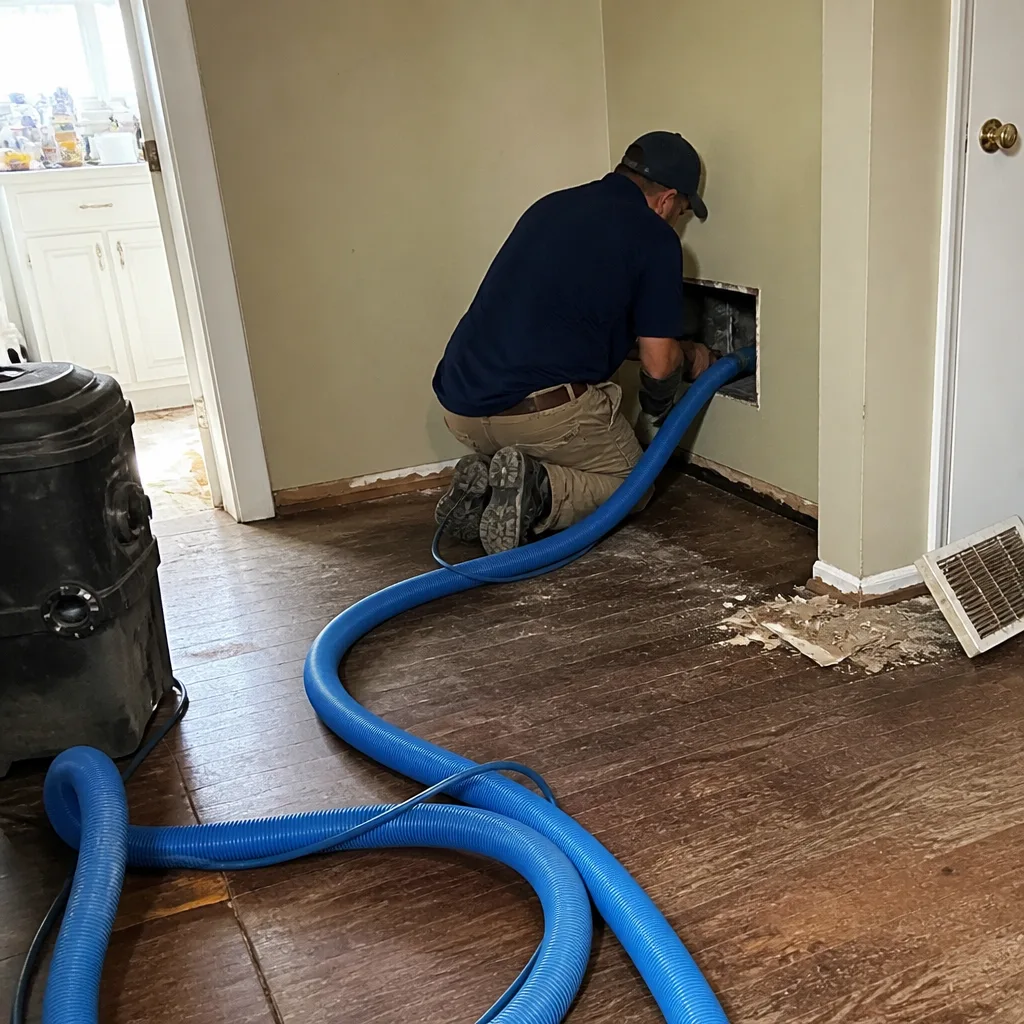 Before
 After
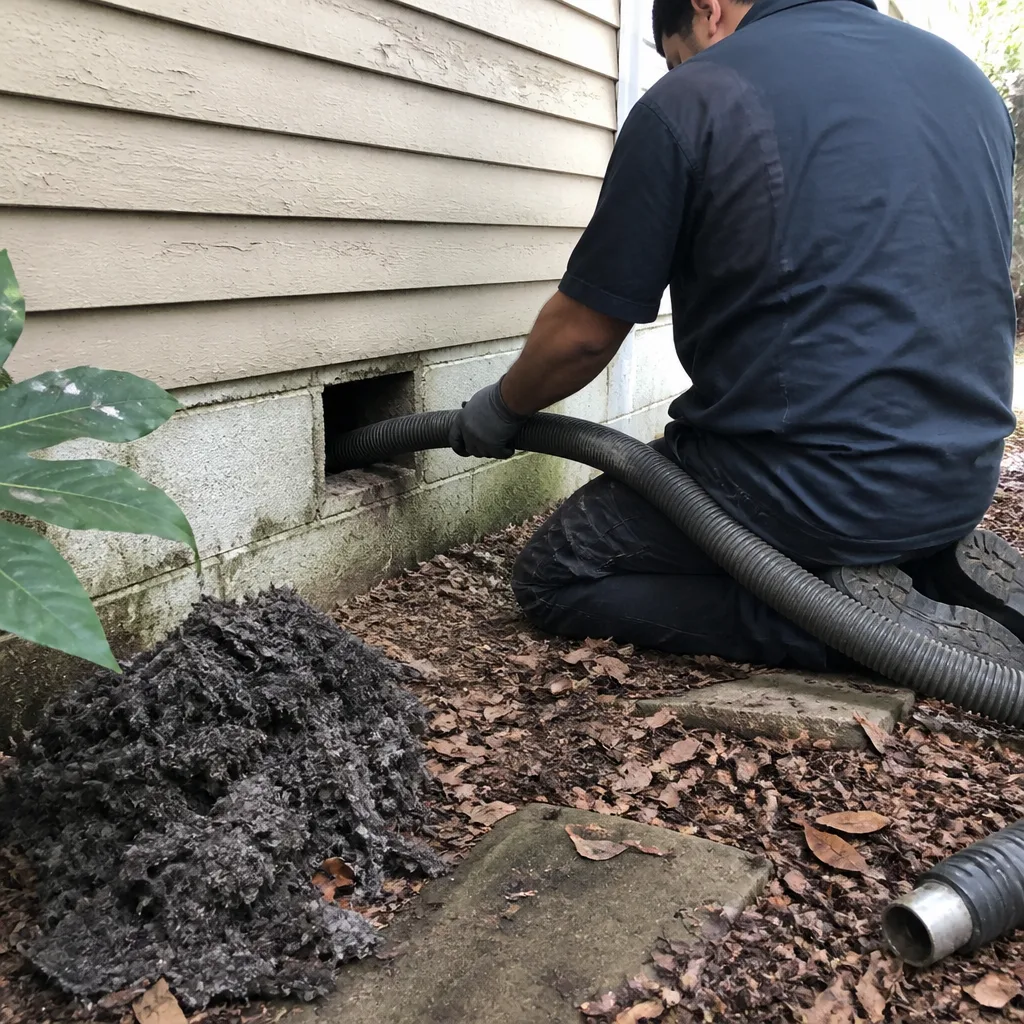 Before
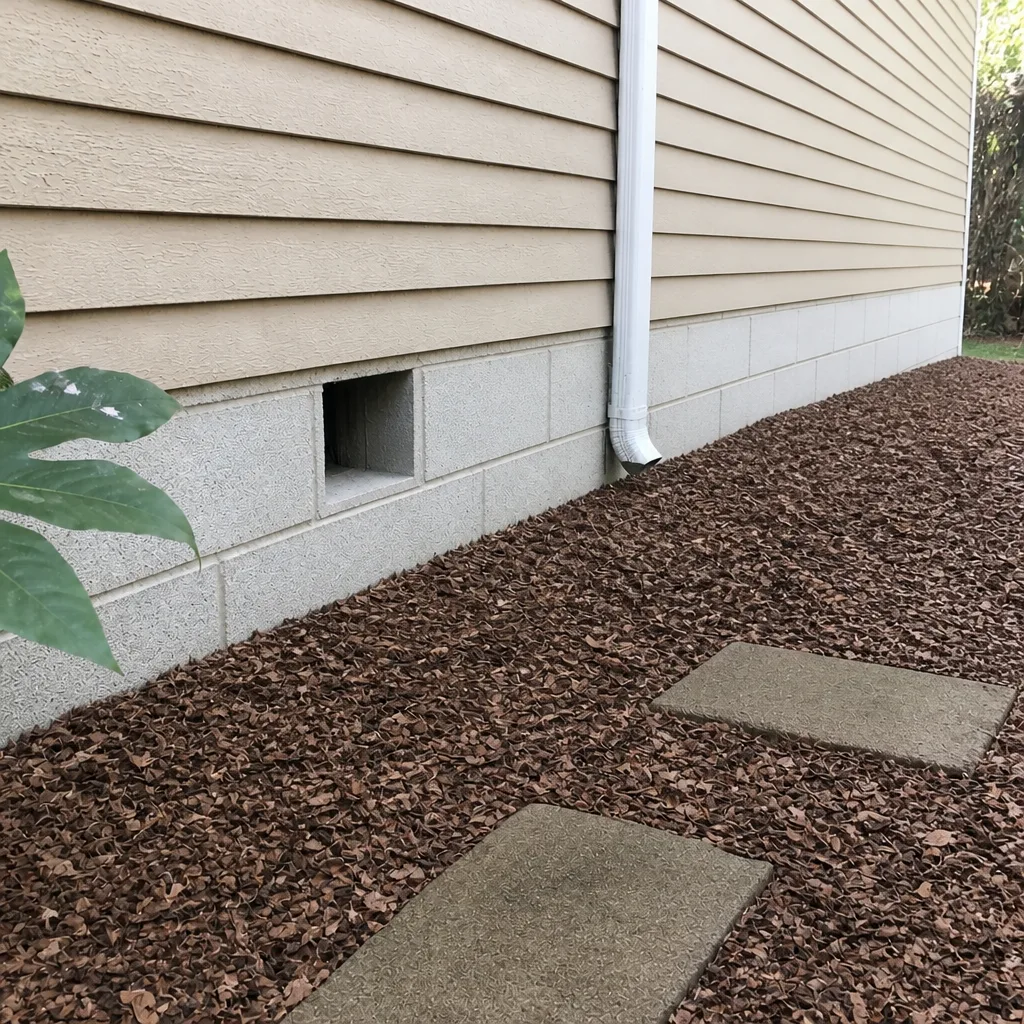 After
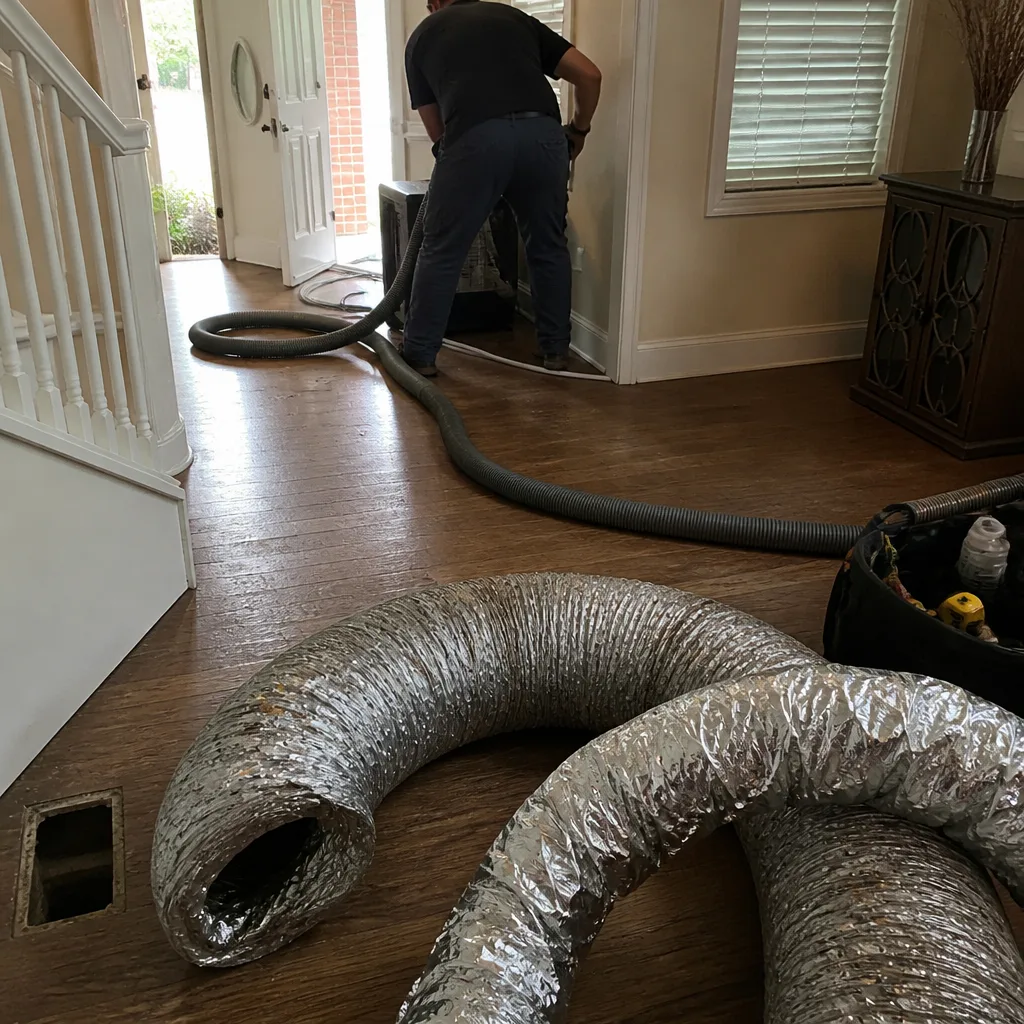 Before
 After
When to Call a Professional
Call a professional before you call a permit office when the scope is genuinely cleaning: visible dust blowing from registers, worsening allergy symptoms, uneven airflow between rooms, high energy bills, or a dryer that takes two cycles to dry a load. Those are cleaning and vent-safe concerns that a proper professional visit addresses directly. Call a licensed mechanical contractor, not a cleaning company, when the scope involves cutting, replacing, resizing, or adding duct work, aerosol sealing, or plenum modifications.
In the room between those two, call a company that’s honest about which side of the line your job is on. Air Duct Cleaning Morningside offers free estimates in Morningside: call (855) 907-3554. We answer 24/7. Fast dispatch from 7am to 7pm, Sunday through Friday. Our technicians have up to 15 years of experience, and our equipment is contractor-grade: Rotobrush, Nikro, and Abatement Technologies on every job. We can clean, sanitize, repair, and seal within maintenance scope, and we’ll tell you plainly when work crosses into permitted territory that a licensed mechanical contractor should handle.
Frequently Asked Questions
No. Air duct cleaning by itself does not require a permit in Morningside or anywhere in Georgia because cleaning doesn’t alter the system. Duct repair, replacement, resizing, adding a register, or aerosol sealing does require a mechanical permit through the City of Atlanta or Fulton County, so the question is always about scope, not the word “cleaning.” Call (855) 907-3554 for an exact quote, and we’ll tell you which category your job falls into.
Georgia’s mechanical code, based on the International Mechanical Code, governs anything that changes how a system distributes air, delivers combustion air, or vents exhaust. That means duct replacement, resizing, new runs, and plenum modifications fall under permitting and inspection requirements. Cleaning the interior of duct that stays in place doesn’t. The code is about modification, not maintenance.
Call the City of Atlanta building department or check the online permitting portal with your property address and confirm a permit exists with the correct scope described. Then verify the licensed mechanical contractor named on the permit against Georgia’s public licensing lookup. A pulled permit should also have a final inspection sign-off, which you should ask for in writing once the work is complete.
It can. Georgia sellers complete a property disclosure, and buyers’ inspectors routinely note evidence of past modification without documentation. That becomes a repair request, a credit, or in the worst case a lost sale. If you don’t know what was done to your duct system before you owned it, a professional assessment with documented findings is worth having well before you list.
Almost never. Most inspection findings on ductwork are localized: a disconnected flex run, failed tape at a plenum, a crushed branch, an unsupported span, or a vent terminating in the wrong place. Each of those is a targeted fix. A professional cleaning visit surfaces those findings, and most can be repaired and sealed without a permit because they’re restoring existing connections rather than modifying the system.
Cleaning removes debris from existing duct without altering its configuration. Repair restores or replaces components: reconnecting a duct to its collar, rebuilding a plenum connection, replacing failed flex, resizing a run, or sealing joints that have opened. Cleaning doesn’t require a permit. Repair that changes the system does, which is why the scope distinction has to be clear before work starts. Call (855) 907-3554 with your situation and we’ll tell you which one you’re looking at.
The Bottom Line
The permit question with duct work comes down to one distinction: is this cleaning, or is this modification? Cleaning, sanitizing, and dryer vent work in Morningside don’t require permits. Duct repair that changes the system, replacement, resizing, new runs, and aerosol sealing do, and those fall under Georgia’s mechanical code and City of Atlanta or Fulton County permitting. Verify the license, confirm the permit before work starts, and get the final inspection sign-off in writing. Keep the scope documentation, the before-and-after photos, and the condition findings. If a duct cleaning company tells you “no permits needed for any of this,” ask them to define “this.” If they can’t, they’re not the right company for the job.
Air Duct Cleaning Morningside handles the cleaning, sanitizing, sealing, and dryer vent side of the scope with contractor-grade equipment from Rotobrush, Nikro, and Abatement Technologies, and we’re clear about where permitted modification begins. One call covers cleaning, sanitizing, and repair within maintenance scope, with no handoff to a second company. Call (855) 907-3554 for a free estimate. We answer 24/7. Fast dispatch from 7am to 7pm, Sunday through Friday.
Written by the team at Air Duct Cleaning Morningside.