
Last updated November 25, 2026
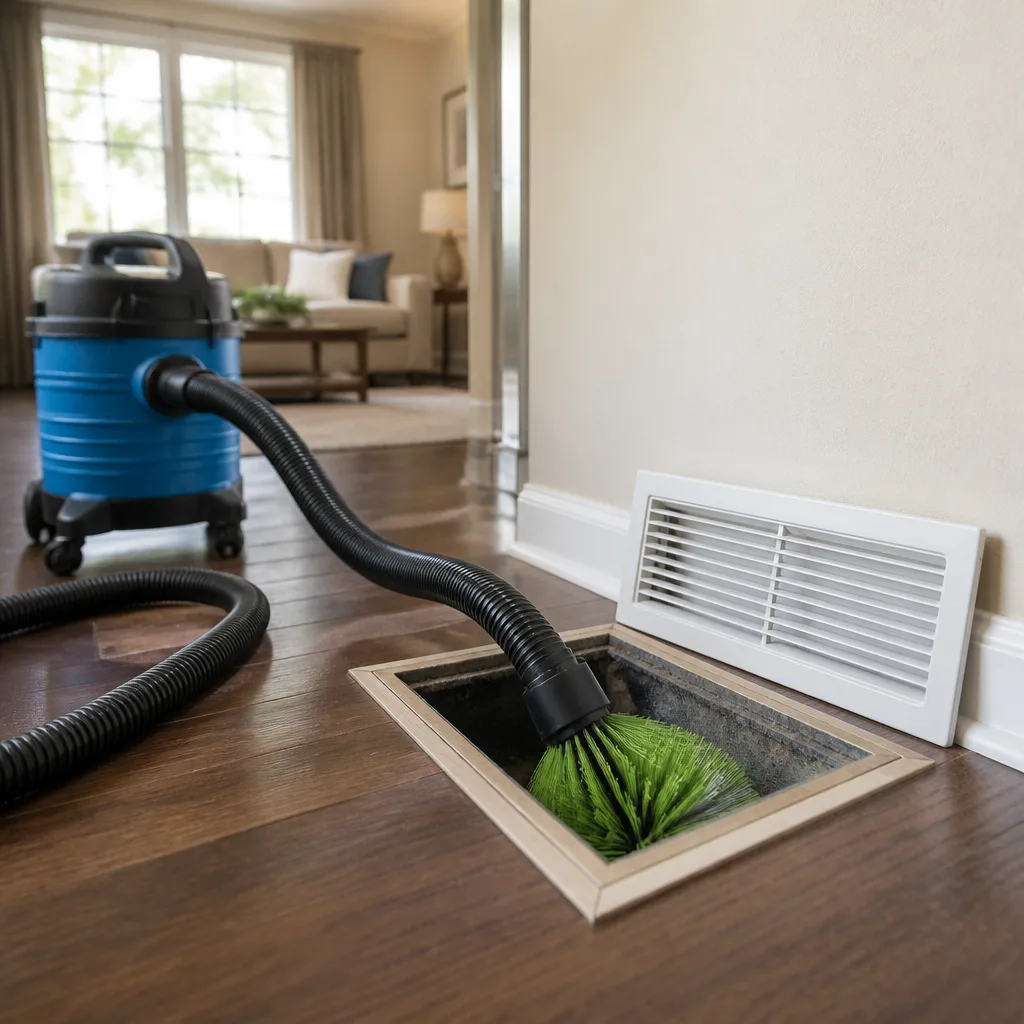 Whole-home duct cleaning
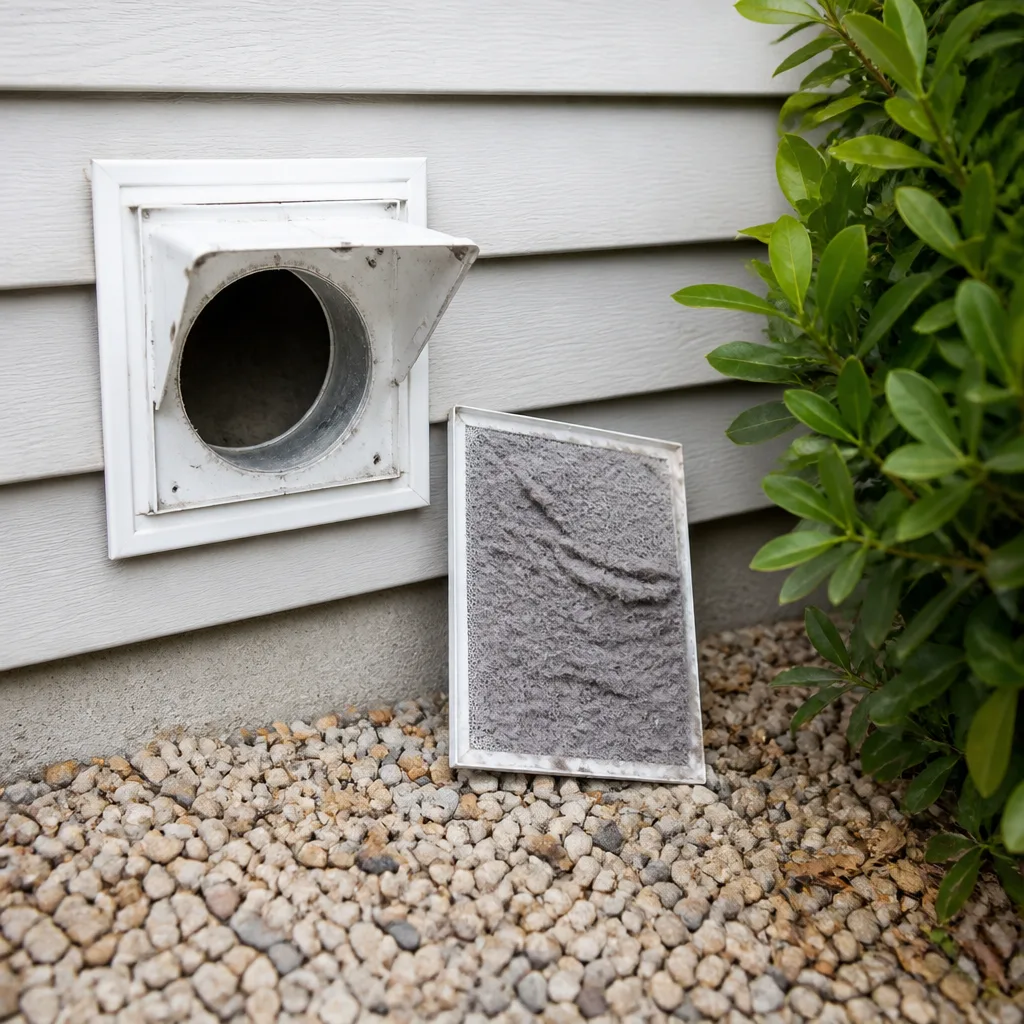 Dryer vent cleaning
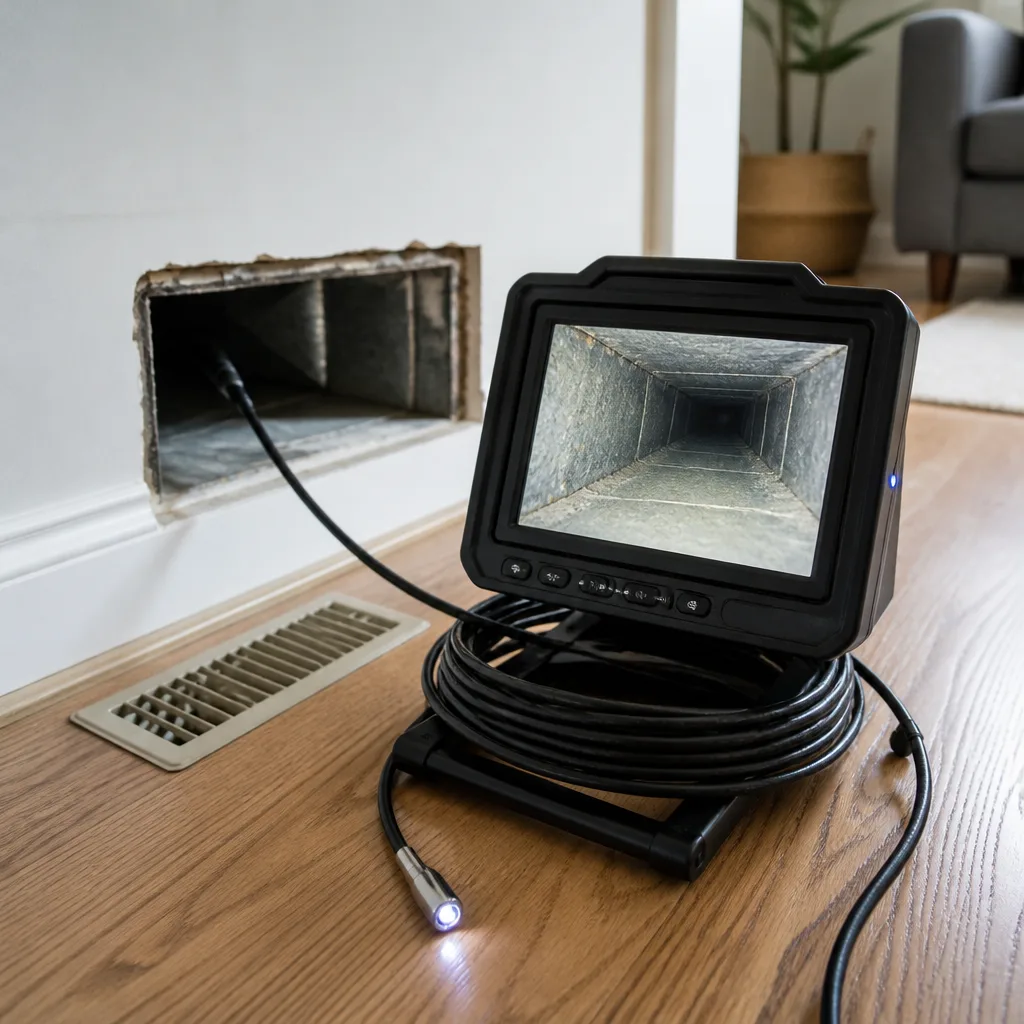 Camera inspection
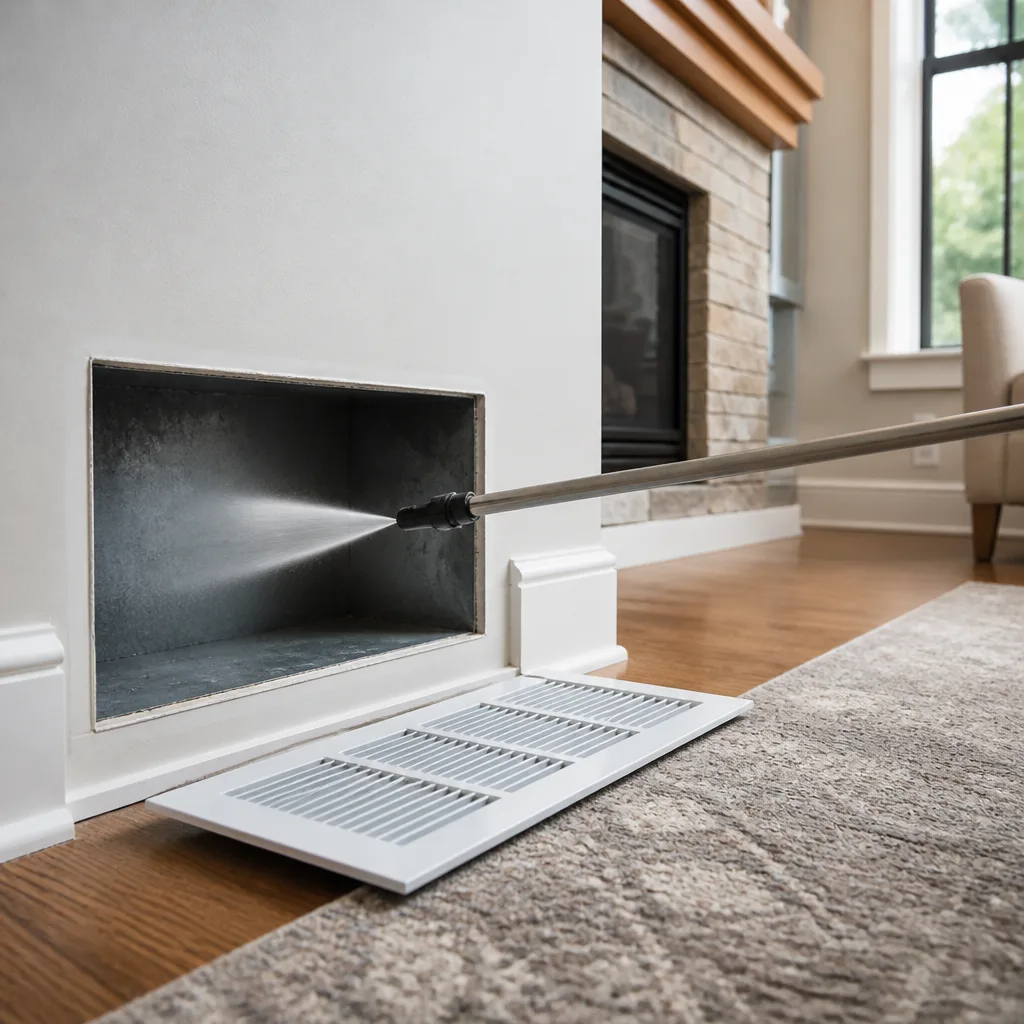 Sanitizing & deodorizing
Whole-system duct and dryer vent check with before-and-after photos - you see exactly what came out of your vents
That "$99 whole-house special" is a bait ad - the real number appears once they are in your hallway, or the "clean" is a shop-vac at the register. We photograph the inside of your ducts before and after instead.
How to Hire an Air Duct Cleaning Contractor in Morningside: A Step-by-Step Guide
Most homeowners start this process with the wrong question. They open three quotes and compare the bottom line, treating duct cleaning like a commodity where the cheapest bid wins. NADCA has found that the majority of homeowners who end up dissatisfied with duct cleaning chose a contractor based on a low advertised price, and that price almost never includes the equipment needed to actually clean a system. The right first question isn’t “how much” – it’s “what exactly will you do, with what, and how will you prove it?” This guide walks through hiring an air duct cleaning contractor in Morningside the way we’d advise a neighbor to do it: equipment first, scope second, paperwork third, price last.
Quick Answer
To hire an air duct cleaning contractor in Morningside, confirm three things before you book: the equipment they use (professional truck-mounted or portable HEPA contact-vacuum systems, not shop vacs), the scope in writing (every supply and return run, not just accessible registers), and a written agreement that spells out what’s cleaned, what’s sanitized, what’s repaired, and what the final price is. Ask for equipment brand names and a scope document. A contractor who won’t name their equipment or put the scope in writing is the one to skip, regardless of price.
Styles & brands we work with
- Whole-home duct cleaning
- Dryer vent cleaning
- Camera inspection
- Sanitizing & deodorizing
Table of Contents
- Why Duct Cleaning Decisions Are Different in Morningside
- The Questions to Ask Before You Book
- Licensing, Insurance, and Certifications in Georgia
- How to Tell If a Quote Covers the Full System
- Evaluating Equipment: What Professionals Actually Use
- Red Flags in Contractor Communication
- What a Written Service Agreement Should Include
- How to Verify the Work Was Actually Done
Why Duct Cleaning Decisions Are Different in Morningside
Morningside is an older intown Atlanta neighborhood, and a lot of the housing stock is mid-century or earlier. That matters for duct work. Homes built in the 1940s through the 1970s were often fitted with duct systems that have since been modified, extended, or partially replaced, and the results are not always sealed or sized correctly. When a Morningside home has had a bedroom added or a basement finished, the duct run feeding that new space is sometimes a later add-on with different materials and connections than the original system. A cleaning company that only cleans what it can reach easily will miss the compromised sections entirely.
Then there’s the climate. Morningside summers run hot and humid, and the air conditioning system runs hard for months. Condensation inside ductwork in a humid climate is a real concern – it’s one of the conditions that lets biological growth take hold in a system that wasn’t properly sealed. That elevates the value of air quality and sanitizing as a follow-on to cleaning, and it’s the reason we treat duct repair and sealing as part of the same job rather than a separate call.
One more local reality: most Morningside homes have a Honeywell or Aprilaire thermostat, air filter cabinet, or humidifier already installed, often from a previous HVAC upgrade. A contractor who doesn’t understand how those systems interact with cleaned ducts may inadvertently disturb filtration components or miss a filter cabinet that’s long overdue for service. That’s part of what we check on every job.
The Questions to Ask Before You Book
The right questions separate a professional contractor from a coupon operation faster than any review site. Here’s what to ask, and how to read the answers.
- “What equipment will you use on my system, and what brand is it?” A professional answer names specific equipment categories – contact vacuum, HEPA extraction, negative air machine. A vague answer (“industrial equipment”) is a red flag. We use Rotobrush contact-vacuum systems and Nikro HEPA extraction units.
- “Will you clean every supply and return run, or just the accessible registers?” The correct answer is every run. If the contractor qualifies the answer (“we clean what we can access”), ask what “accessible” means in your house.
- “Do you use negative air pressure during cleaning?” A negative air machine keeps dislodged dust from blowing into your living space. A contractor who doesn’t know what that is hasn’t been trained properly.
- “Will you provide before-and-after photos of my own ducts?” This one separates the professionals from the coupon crowd. If they can’t say yes without hesitation, move on.
- “Is the price flat per system or per vent?” Per-vent pricing is the bait-and-switch hook. A flat price per system, agreed before work starts, is the honest structure.
- “Who does the sanitizing and the repair if either is needed?” If the answer is “a different company,” you’re about to be handed off. Single-provider accountability matters.
- “Can you put all of this in a written agreement before you start?” A professional will. A pressure operation won’t.
If any answer is vague, hedge-filled, or tries to steer the conversation back to price, that’s your answer. The contractors worth hiring will answer all seven without flinching. Our technicians have up to 15 years of experience, and the questions above are the same ones we expect from a well-informed Morningside homeowner.
Licensing, Insurance, and Certifications in Georgia
Georgia does not license air duct cleaning contractors the way it licenses electricians or plumbers. There’s no state-issued duct cleaning license to look up. That means “licensed and insured” in a duct cleaning ad means less than it does in other trades – so you have to be more careful, not less. What actually matters:
- General liability insurance. Ask for a certificate of insurance. Any legitimate contractor can produce one quickly. If you get a runaround, walk away.
- Workers’ compensation coverage. If a technician is injured in your home and there’s no workers’ comp, that’s a problem for you as the homeowner in some scenarios. Ask.
- NADCA membership or certification. The National Air Duct Cleaners Association publishes equipment standards and assessment guidelines. A contractor who cites NADCA assessment protocols is signaling they follow a professional standard, not just a marketing script.
- Trade certifications. Look for certifications tied to specific equipment brands – Rotobrush, Nikro, Abatement Technologies operator training, for example. These are meaningful because they’re tied to actual tools, not a logo on a website.
Be skeptical of any credential that isn’t verifiable. “Certified” with no certifying body named is marketing language, not a credential. Ask who issued it and what the training covered. If the answer is vague, treat it as empty. When we connect a Morningside homeowner with the local pro on the job, the pro is licensed and insured as their state requires, and we recommend you verify that paperwork before work starts – every time, no exceptions.
How to Tell If a Quote Covers the Full System
The single biggest difference between a budget quote and an honest one is scope. A duct system has supply runs (air leaving the furnace or air handler), return runs (air coming back), the trunk lines, the air handler itself, and the register boots. A low-end quote typically covers only the accessible portions of the supply runs – and sometimes not even all of those.
Here’s how to check what your quote actually includes:
- Count the runs in your home. Ask the contractor how many runs they’ll clean. If that number matches your count, the scope is honest. If it’s smaller, ask why.
- Ask whether the air handler and blower compartment are included. Not every system needs the blower cleaned, but the quote should address it explicitly.
- Ask about the filter cabinet, humidifier, and any Aprilaire or Honeywell equipment inside the duct system. If the contractor doesn’t know what those are, they can’t clean around them safely.
- Ask what happens if they find disconnected or crushed ductwork during cleaning. If the answer is “we’ll let you know and you’ll need to call someone else,” the quote doesn’t cover the real job.
- Look for per-vent pricing. Any quote built around a per-vent number is a scope-avoidance technique – the number you’re quoted assumes a certain number of runs, and the final invoice can grow.
Our experience in Morningside homes is that a large share of systems have at least one duct section that’s come loose, been crushed during a renovation, or been sealed with duct tape that has long since failed. Clean ducts are only part of the job – we also seal and repair what’s broken, which is why a real scope review includes a repair plan, not just a cleaning price.
Evaluating Equipment: What Professionals Actually Use
The difference between a professional duct cleaning and a scam is almost always equipment. Consumer-grade shop vacuums and low-power portable units can’t generate enough airflow to lift settled debris throughout a full duct run. Professional equipment can. Ask about three categories when you’re evaluating a contractor:
- Contact vacuum systems. These are the primary cleaning tool – a high-powered vacuum head that makes contact with the duct interior. Rotobrush systems are the industry benchmark for residential work. A contractor using Rotobrush equipment is using what remediation contractors use.
- HEPA extraction units. Nikro HEPA units run the exhaust air through high-efficiency filtration, capturing particles that conventional vacuums release. This is what protects your indoor air during the cleaning itself.
- Air filtration / negative air machines. Abatement Technologies units are the same equipment used in remediation work – they hold negative pressure so dislodged dust travels to the machine, not into your living room.
When a contractor can name Rotobrush, Nikro, or Abatement Technologies without hesitation, you’re talking to someone who has invested in professional equipment. When they say “industrial-grade vacuum” and change the subject, you’re not. The same principle applies to the follow-on services – a company that understands your existing Honeywell or Aprilaire equipment can integrate cleaning with the filtration and humidity control already in your home. That’s system-level thinking, and it’s what HVAC cleaning should look like.
Red Flags in Contractor Communication
The red flags that matter most show up before the technician ever arrives. Watch for these:
- A price that’s dramatically lower than everyone else. Duct cleaning has a floor. If one quote is half of the rest, the scope is smaller than the rest. That’s not a bargain, it’s a different job.
- Refusal to name equipment brands. A professional has nothing to hide about their tools. Evasiveness here is disqualifying.
- A scope described in marketing language instead of specifics. “Complete system cleaning” means nothing. “All twelve supply runs, four returns, the air handler, and the filter cabinet” means something. Ask for the second one.
- Pressure to book today for a “special” price. Duct cleaning is scheduled maintenance, not an emergency. Urgency is a sales tactic. You should be able to ask for a written estimate and think about it.
- No written estimate before the work starts. Every quote should be on paper, and the final price should match it.
- Add-on sanitizing pitched as mandatory. Sanitizing is a real service and worth doing in a humid Morningside home, but a professional will explain why it matters rather than pressuring you into it.
- A technician who arrives with a shop vacuum instead of professional equipment. What shows up in the driveway tells you whether the price covered the actual work.
A pressure operator’s business model depends on converting a low coupon price into a larger invoice once the technician is inside. The defense is simple: one flat price per system, agreed before work starts, no per-vent pricing, and before-and-after photos of your own ducts. Any company that can deliver those three things is worth talking to.
What a Written Service Agreement Should Include
A written agreement is your protection against bait-and-switch, scope creep, and the “we found a problem” upsell. Every duct cleaning agreement you sign should include, at minimum, all of the following:
- Exact scope of the work. The number of supply runs and return runs, the air handler, the filter cabinet, register boots – named explicitly, not “full system.”
- The equipment to be used. Contact vacuum, HEPA extraction, negative air – named by type and brand where possible.
- Whether sanitizing is included or separate. If separate, the sanitizing product and coverage should be stated. Guardsman-grade products are the standard we use.
- What happens if ductwork damage is found. The agreement should describe the process – typically, the contractor stops, shows you photos, and quotes the repair before proceeding.
- Flat price per system, stated in writing. Not per-vent, not an estimate range, not “starting at.” The exact number for the exact scope.
- Before-and-after photo delivery. Stated as part of the work, not a courtesy.
- The final invoice terms. The invoice should match the agreement exactly, with no line items that weren’t discussed.
A contractor who hands you a one-page agreement with all seven items on it is telling you something about how they run their business. A contractor who hands you a coupon and a “we’ll work it out on site” is telling you something too.
How to Verify the Work Was Actually Done
You can’t watch every minute of a duct cleaning. That’s fine – you don’t need to if you set up verification before the job starts. Here’s what to expect:
- Before-and-after photos of your own ducts. Not stock photos, not a brochure – photos of your system, taken on the day. Insist on this in the agreement.
- A dust containment check. Your home should not be dustier after the cleaning than before it. If the contractor used negative air containment properly, you’ll see no film on surfaces near the registers.
- A visible air handler and filter cabinet inspection. Ask to see the blower compartment and the filter cabinet after cleaning. A clean shop towel wiped inside the duct run near an accessible register should come back mostly clean.
- A written report. Any repairs made, any sections that were compromised and sealed, the products used, and the date of the work. This matters for property managers especially – you want a record.
If a contractor can’t deliver any of the above, the work may or may not have been done – but you have no way to know. Documentation is part of the service.
Common Mistakes to Avoid
- Choosing on price alone. The lowest bid usually reflects a scope that covers only accessible register runs. In a Morningside home with older ductwork, that’s the portion least likely to need cleaning.
- Not asking for equipment brand names. A contractor who names Rotobrush, Nikro, or Abatement Technologies is using equipment built for this. A contractor who won’t name equipment is telling you the answer.
- Accepting a per-vent quote. Per-vent pricing is how a coupon becomes a four-figure bill. Ask for a flat price per system.
- Skipping the written agreement. Without a signed scope, you have no leverage if the invoice grows. Get it in writing before work starts.
- Letting a low quote cover only supply runs. Returns and the air handler collect just as much dust. If returns aren’t in the quote, they aren’t in the cleaning.
- Ignoring dryer vent cleaning because it’s “separate.” Dryer vents are a fire risk most companies ignore, and they’re often the dirtiest airflow path in a Morningside home. Ask whether it’s offered as a dedicated service.
- Not asking about repair and sealing. Cleaning a duct system with a disconnected joint is a waste of money. Ask whether the contractor can identify and fix compromised ductwork on the same job.
See the difference
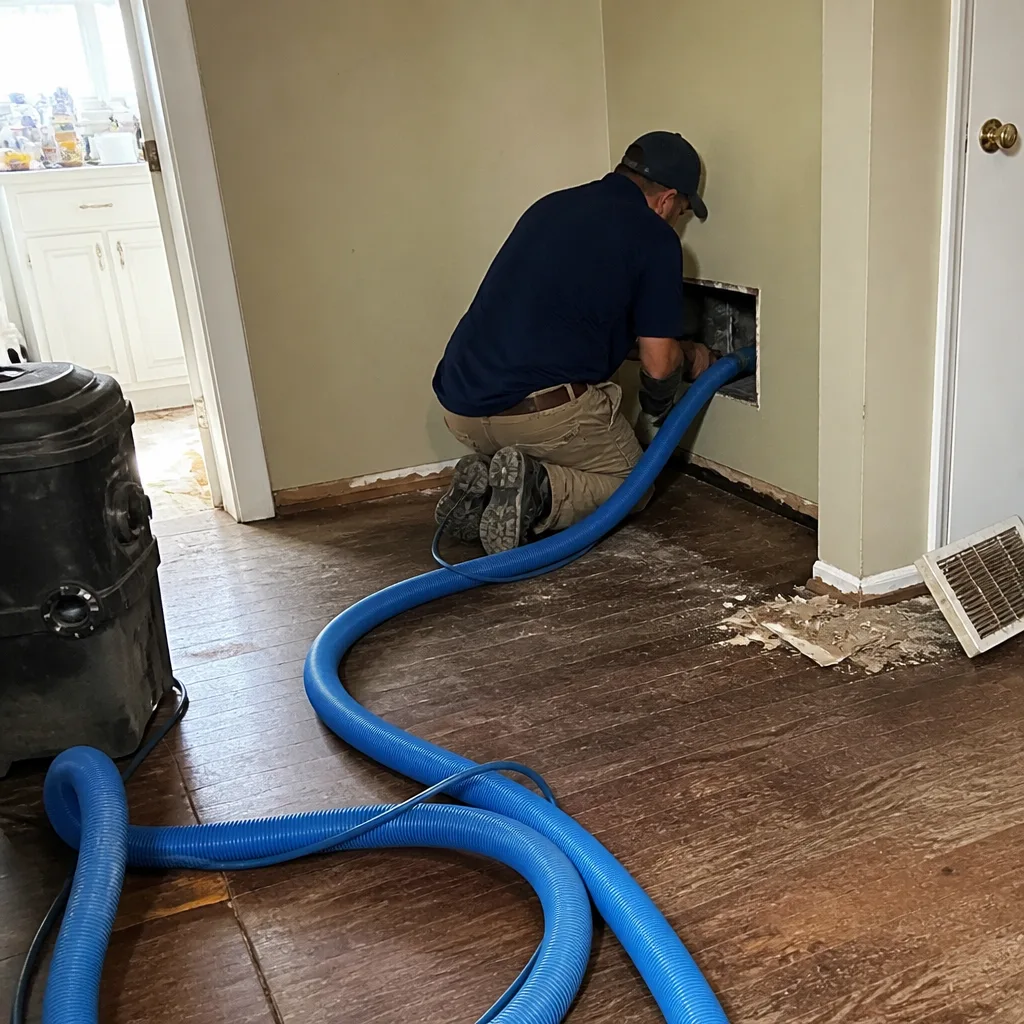 Before
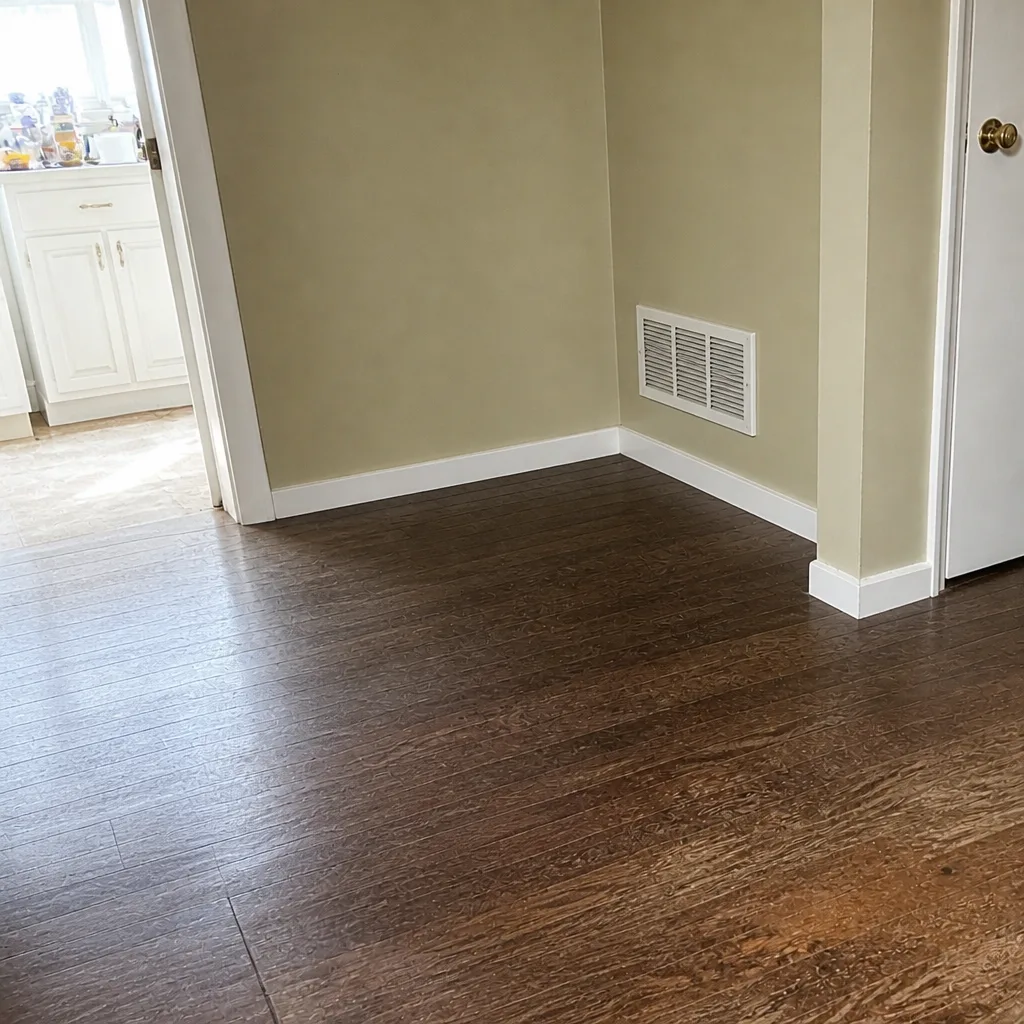 After
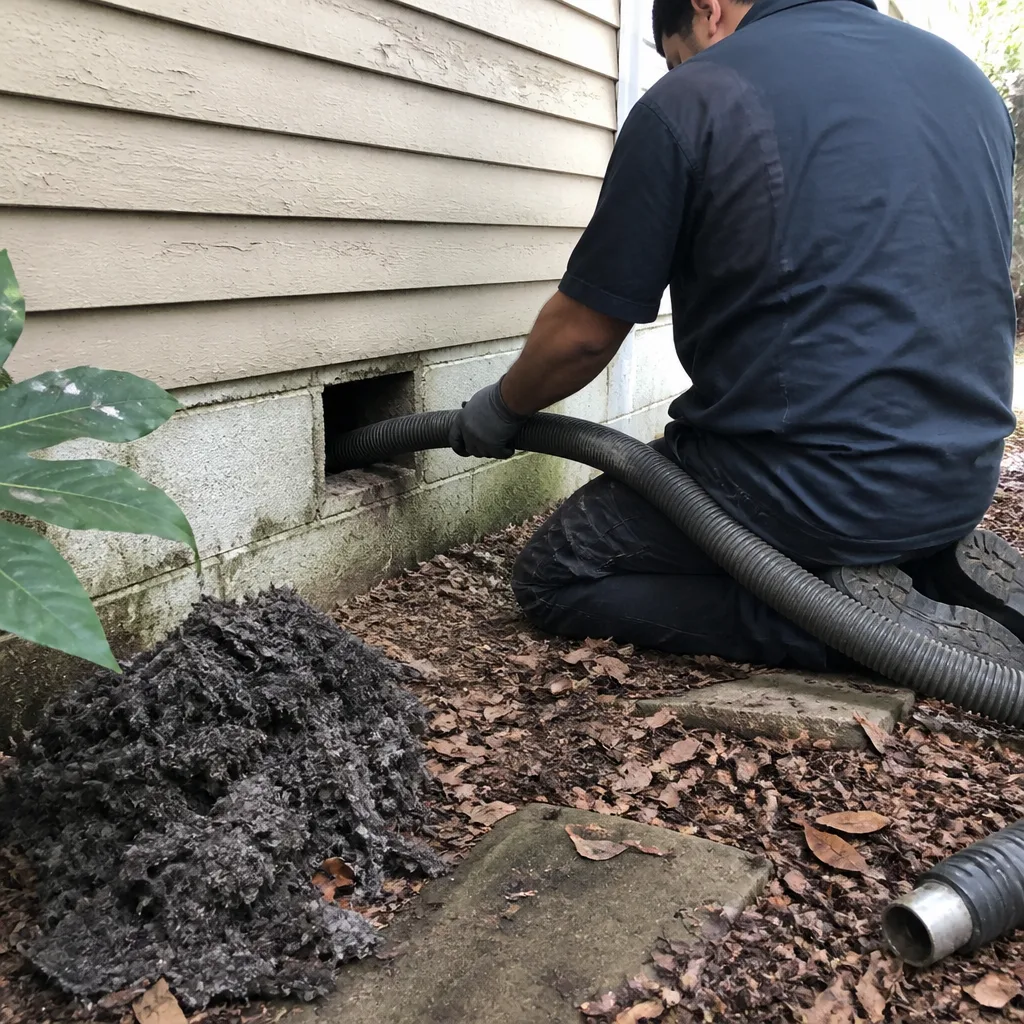 Before
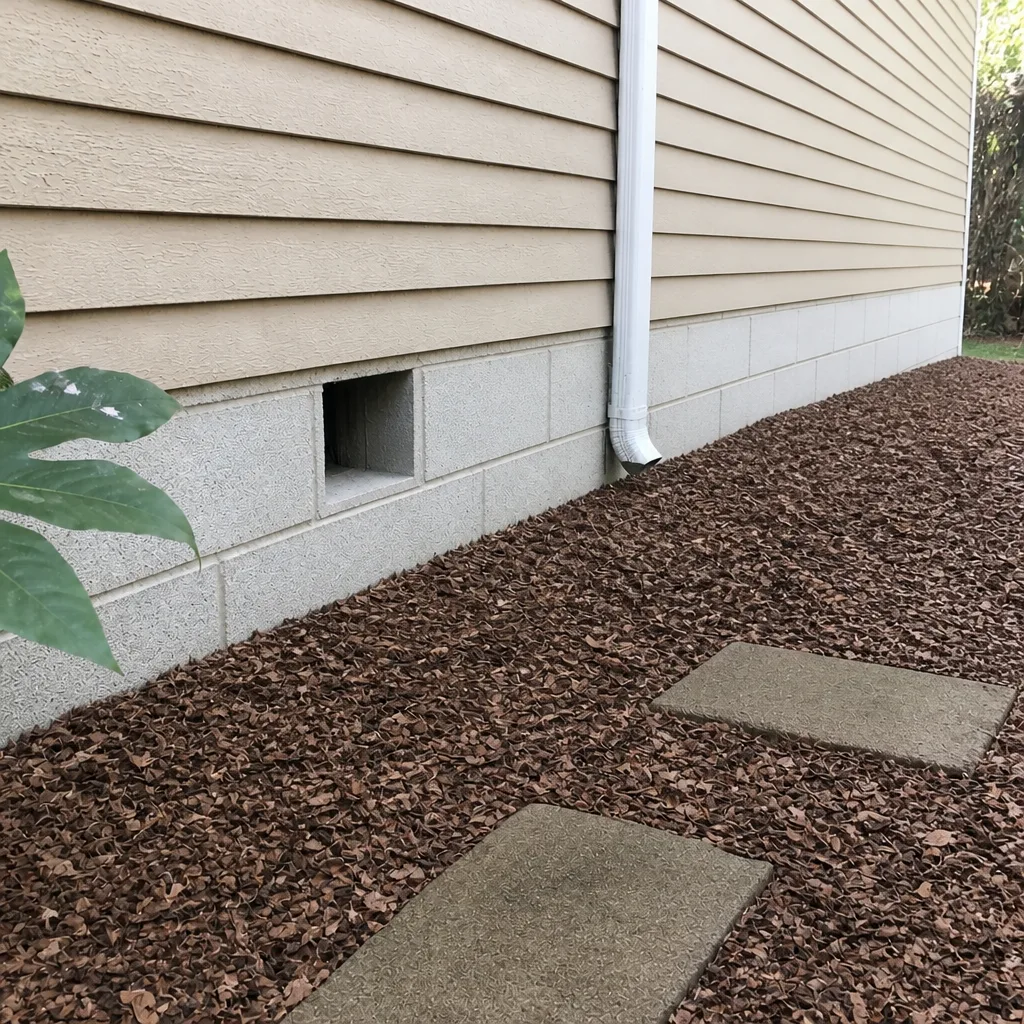 After
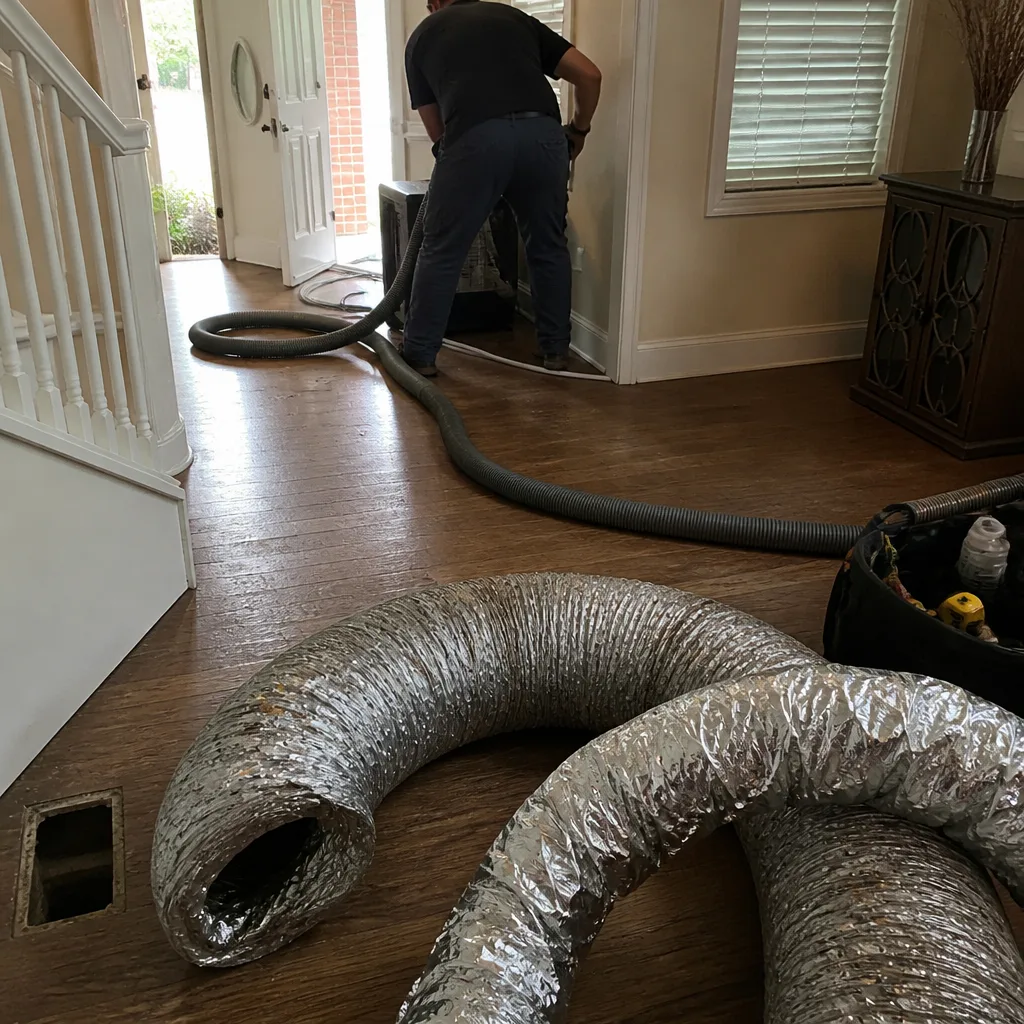 Before
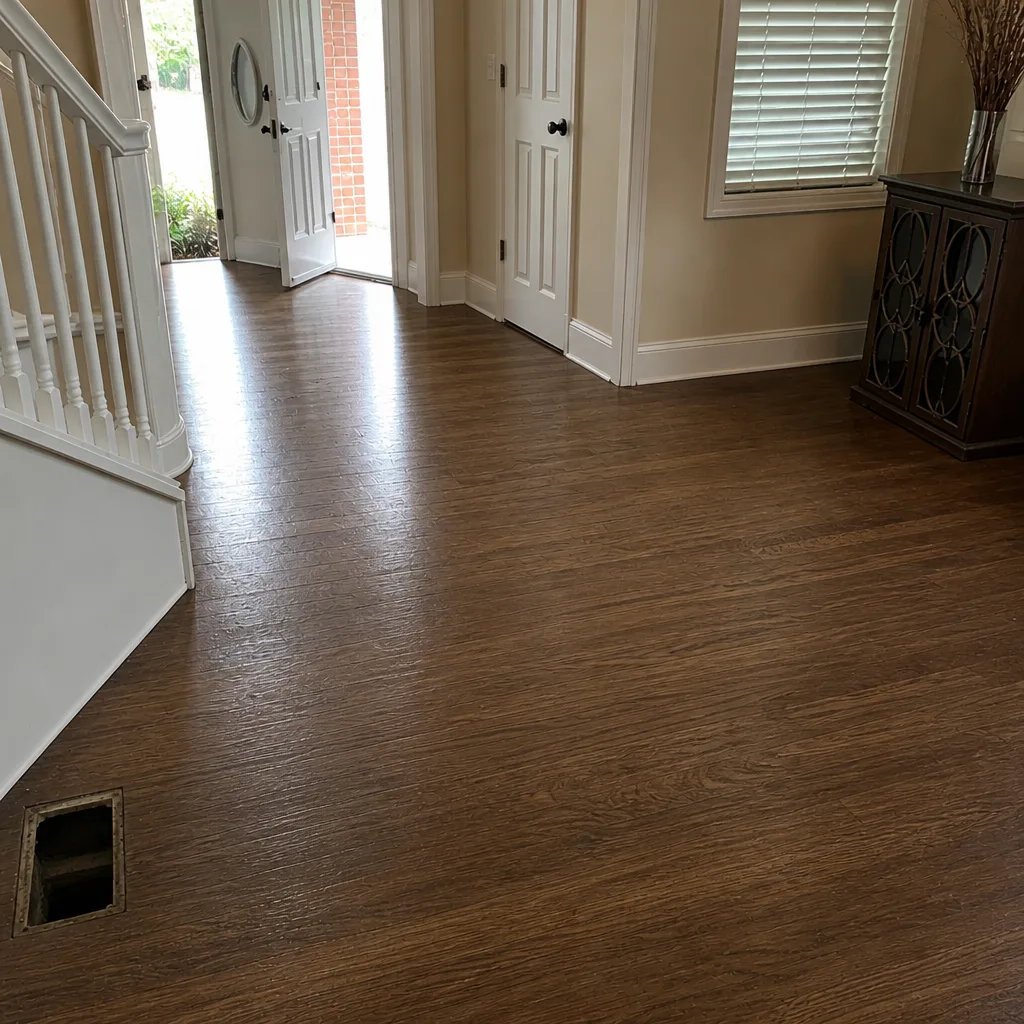 After
When to Call a Professional
You don’t need a duct cleaning on a schedule – you need one when the system tells you it needs one. Call a professional when you notice a persistent dust film on furniture within a day of cleaning, when visible dust puffs from registers when the system cycles on, when a family member’s allergy symptoms have worsened without a clear cause, when your energy bill has crept up with no explanation, or when you’ve just moved into a Morningside home and don’t know when the ducts were last cleaned. Call when you’ve had a renovation and drywall dust could be in the system, or when a dryer is taking noticeably longer to dry a load. Air Duct Cleaning Morningside offers free estimates in Morningside – call (855) 907-3554. We answer 24/7. Fast dispatch from 7am to 7pm, Sunday through Friday.
Frequently Asked Questions
We don’t publish a single price because every system is different – a 1,200-square-foot bungalow with eight runs is a different job from a 2,800-square-foot two-story with fifteen. What we will say is that a real professional cleaning, with professional equipment, a flat price per system, and documented before-and-after photos, prices per system, not per vent, and the written estimate you receive sets the final price. Any quote you compare should include the scope in writing so you’re comparing the same work. Call (855) 907-3554 for an exact quote – estimates are free.
Because the scope is smaller. A coupon quote typically covers only the accessible portions of supply runs, using consumer-grade vacuums, with no sanitizing, no air handler cleaning, and no documentation. That’s not a bargain on the same work – it’s a different (and much smaller) job. When you compare quotes, compare the scope line by line, not just the total. Call (855) 907-3554 for a quote built around the full system.
Before-and-after photos of your own ducts, a visible inspection of the register boots and air handler compartment after the job, and a written report that lists what was cleaned, what was sealed, and what products were used. A professional will build this documentation into the agreement. If a contractor can’t provide it, ask before you book. Call (855) 907-3554 to talk through what a documented job looks like for your Morningside home.
Most homes don’t need it on a fixed schedule – it’s driven by conditions, not the calendar. If your Morningside home has had a recent renovation, has pets, has had water intrusion, has visible dust at the registers, or hasn’t been cleaned since you moved in, that’s the trigger. If none of those apply and the system runs well, you can wait. Dryer vent cleaning is a different story – that’s a safety service and worth doing on a shorter interval. Call (855) 907-3554 to discuss your system.
We handle both as dedicated services. Dryer vents are a fire risk most companies ignore, and they deserve their own appointment because the cleaning method and the safety stakes are different. We also offer dryer vent cleaning as part of the same call when you’re ready to schedule both. For a Morningside home, the two together cover the two biggest airflow paths that affect indoor air and safety. Call (855) 907-3554 to set both up.
Yes, and that’s a real differentiator. Duct repair and sealing are offered as their own service, which means a compromised duct discovered during cleaning is addressed rather than just reported. If we find a disconnected joint, crushed run, or failed seal, we stop, show you photos, and quote the repair before proceeding. One call covers cleaning, sanitizing, and repair, with no handoff to a separate contractor. Call (855) 907-3554 to schedule an assessment.
The Bottom Line
Hiring an air duct cleaning contractor in Morningside is a process, not a transaction. Confirm the equipment before you discuss price – professional systems from Rotobrush, Nikro, and Abatement Technologies are the benchmark, and a contractor who won’t name their tools is telling you something. Confirm the scope in writing, including every supply and return run, the air handler, and any Honeywell or Aprilaire equipment already in the system. Insist on a flat price per system agreed before work starts, and on before-and-after photos of your own ducts. A written agreement that covers all of that protects you from the bait-and-switch that gives this industry a bad name. If you want to see how this looks on our side, browse air duct cleaning for the full scope we run, or call for a free estimate. One call covers cleaning, sanitizing, and repair, and the written estimate sets the final price. Our technicians have up to 15 years of experience, and every job includes documented before-and-after photos of your own system.
Call (855) 907-3554 for a free estimate on air duct cleaning in Morningside. We answer 24/7. Fast dispatch from 7am to 7pm, Sunday through Friday, closed Saturday.
Written by the team at Air Duct Cleaning Morningside.