
Last updated November 25, 2026
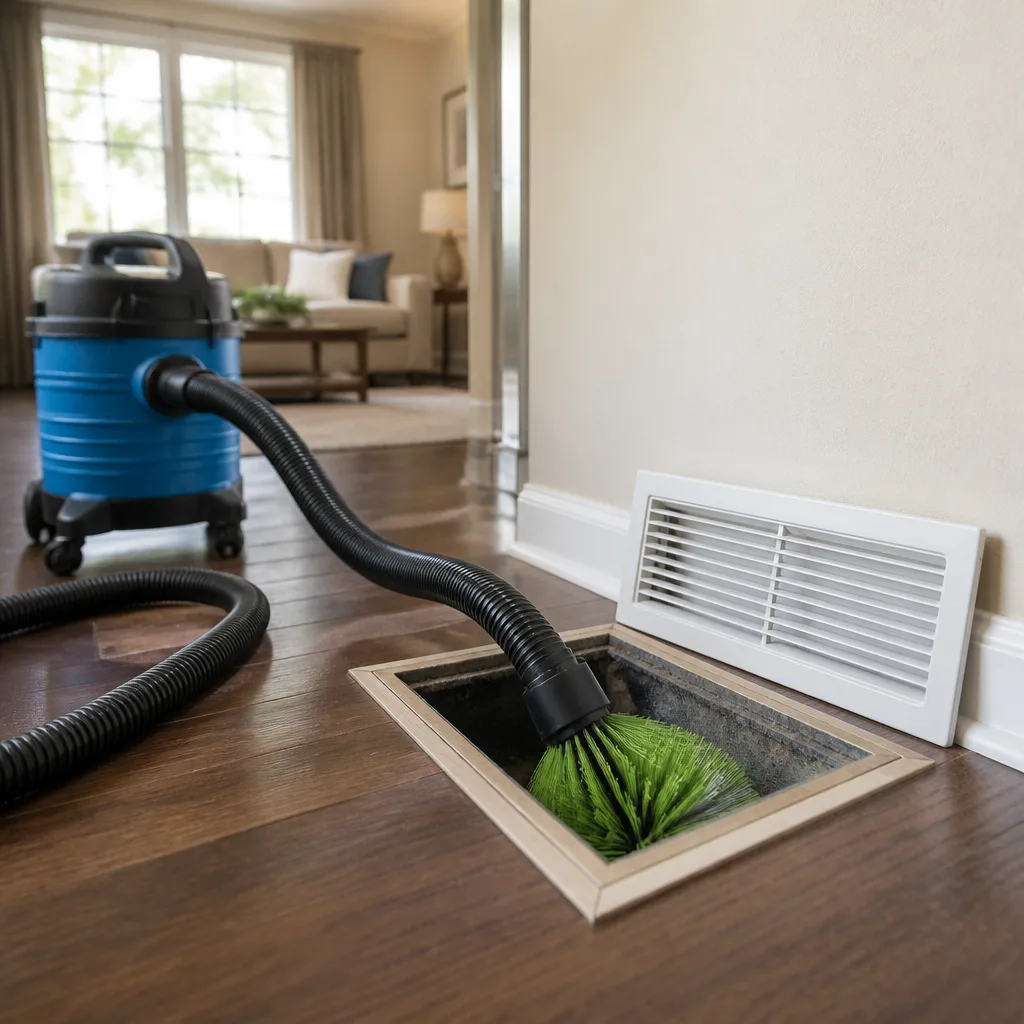 Whole-home duct cleaning
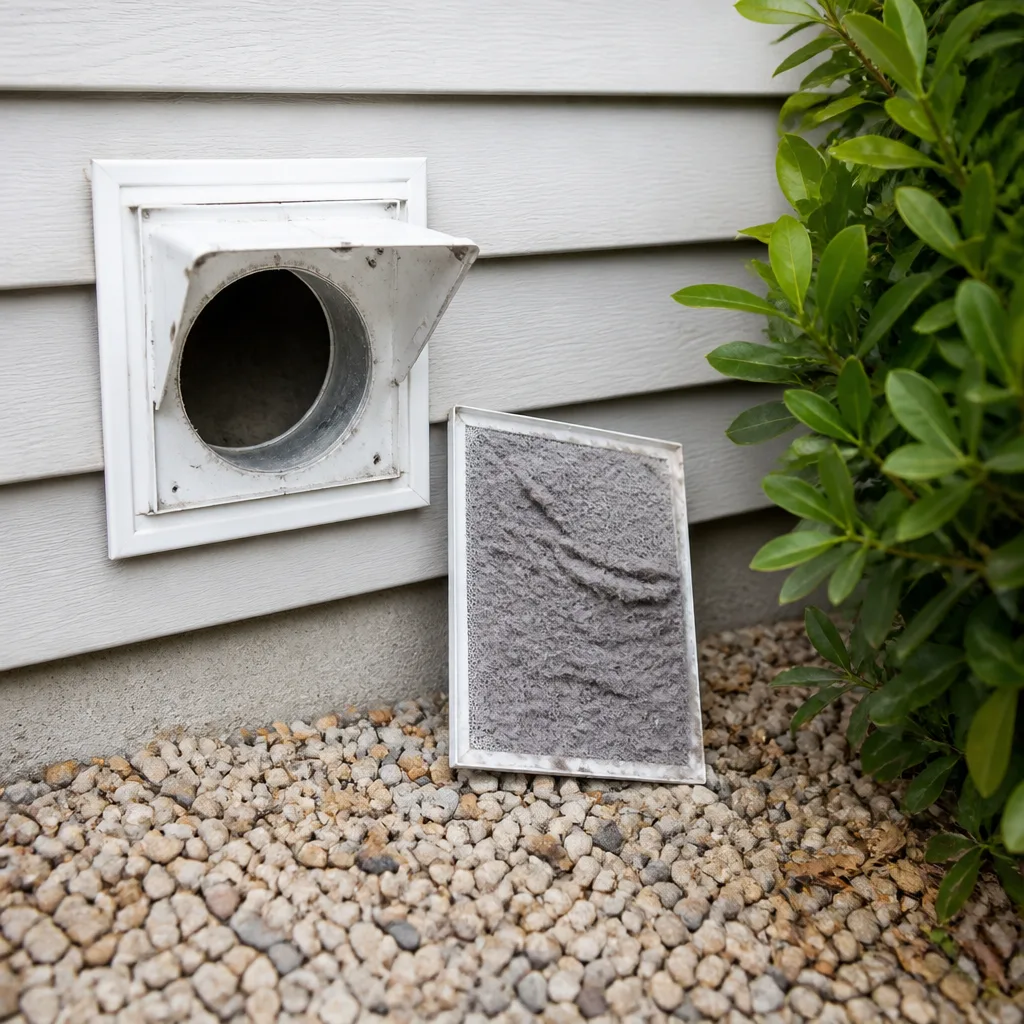 Dryer vent cleaning
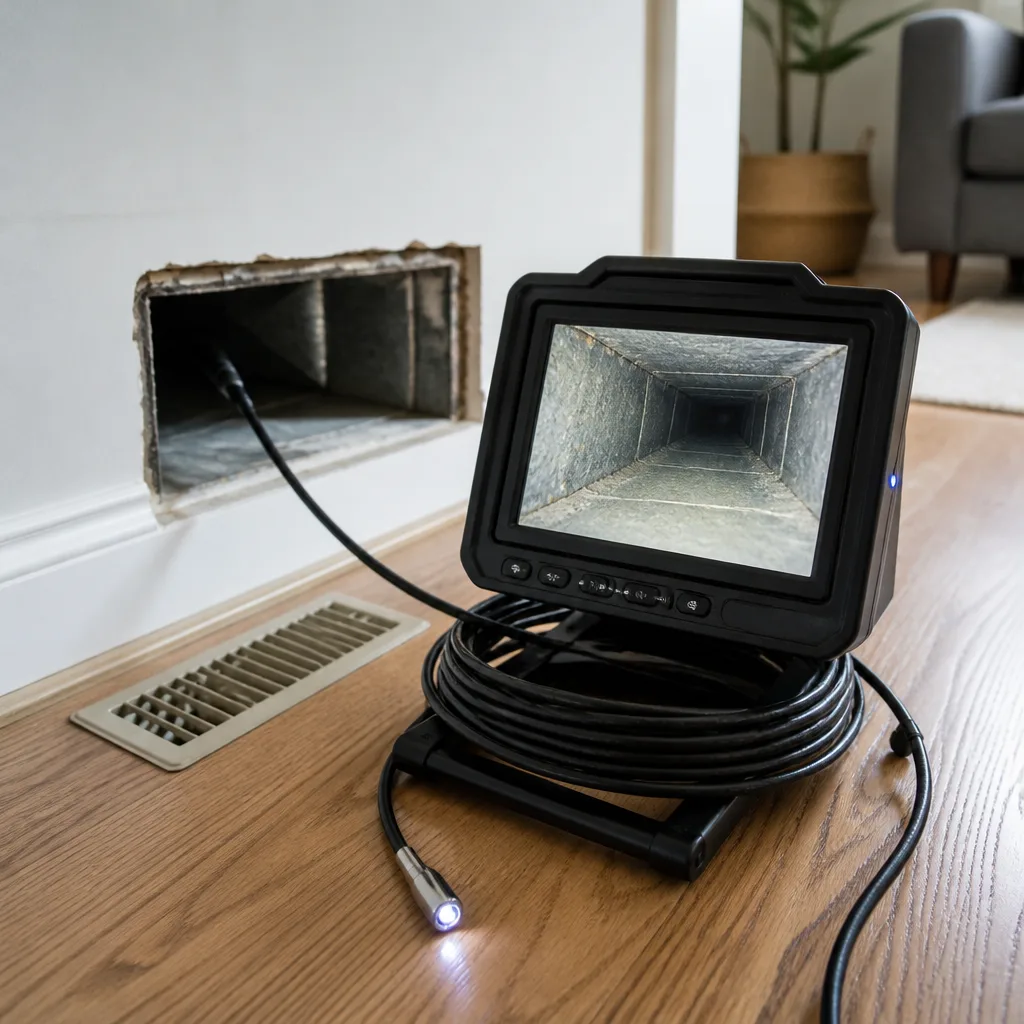 Camera inspection
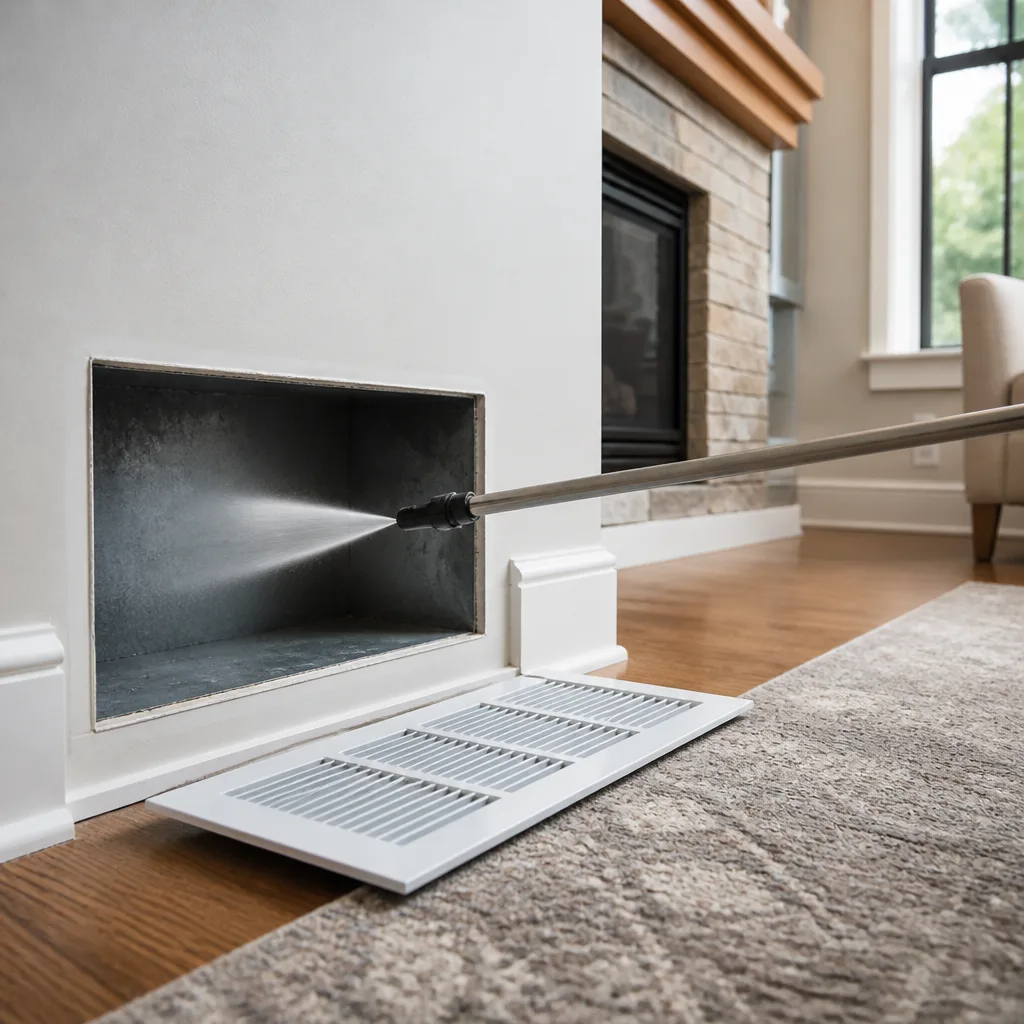 Sanitizing & deodorizing
Whole-system duct and dryer vent check with before-and-after photos - you see exactly what came out of your vents
That "$99 whole-house special" is a bait ad - the real number appears once they are in your hallway, or the "clean" is a shop-vac at the register. We photograph the inside of your ducts before and after instead.
Air Duct Cleaning Maintenance Checklist for Morningside Homeowners
The filter you change every 90 days can’t tell you what’s happening eight feet inside the plenum, and that’s where the real accumulation starts. Most Morningside homeowners treat duct care as a single event, one cleaning every few years, when it’s actually the filter that sees the least of your system. If you’ve read about indoor air quality and wondered whether your ducts are the problem, here’s the structured way to find out without guessing. This guide covers a monthly, seasonal, and annual observation routine you can run with your own eyes and nose, how Georgia’s humidity seasons shape what to look for, and which findings mean a quick fix versus a professional visit.
Quick Answer
A practical air duct maintenance checklist for Morningside homeowners combines three observation layers: a monthly filter and vent check you do yourself, a seasonal check timed to Georgia’s humidity swings, and an annual deeper inspection of visible ductwork, returns, and the air handler area. The point isn’t to clean your own ducts; it’s to document changes over time so you can tell a professional exactly what you’ve noticed and when. Most homes need a real cleaning assessment every three to five years, sooner if you’ve had renovation dust, water intrusion, or persistent allergy symptoms.
Styles & brands we work with
- Whole-home duct cleaning
- Dryer vent cleaning
- Camera inspection
- Sanitizing & deodorizing
Table of Contents
- Why a Checklist Beats a One-Time Cleaning
- Monthly Tasks: What You Can Check in Fifteen Minutes
- Seasonal Checks: How Morningside Humidity Changes the Rules
- The Annual Inspection: Going Deeper Than the Register
- Sensory Indicators: What Your Nose and Eyes Tell You Without Tools
- Checklist Findings: DIY Fix vs. Professional Visit
- How to Document Duct Condition Over Time
- Common Mistakes to Avoid
- When to Call a Professional
- Frequently Asked Questions
Why a Checklist Beats a One-Time Cleaning
A duct cleaning is a snapshot. A checklist is a trend line. The distinction matters more than most homeowners realize, because the problems that cause the worst indoor air quality in Morningside homes rarely appear overnight. They build through a slow sequence: a filter that starts bypassing air around its edges, a return grille that collects pet hair faster than expected, a small moisture intrusion in a crawl space or attic run that feeds biological growth for months before anyone smells it.
When you observe your system on a schedule, you catch these early. When you only think about your ducts when something goes wrong, you catch them after the fix is expensive. That’s the entire case for a routine, and it costs you about fifteen minutes a month.
Here’s what a structured routine actually gets you:
- A baseline record of what “normal” looks like in your specific home, which varies enormously from one Morningside house to the next based on age, construction, and whether the system serves a finished basement or a conditioned attic.
- Earlier detection of filter failures, which are the single most common cause of accelerated duct soiling.
- Better contractor conversations, because you can describe what changed and when instead of saying “it seems dusty lately.”
- Protection of the filtration and humidity equipment already installed in your home, including the Honeywell and Aprilaire components many Morningside systems carry.
The checklist below breaks into monthlies, seasonals, and annuals for exactly this reason. Each layer serves a different purpose, and none of them requires a tool beyond a flashlight and a phone camera. If you want the broader context on what professional work involves, our overview of Air Duct Cleaning Morningside covers the full scope of the trade.
Monthly Tasks: What You Can Check in Fifteen Minutes
The monthly layer is deliberately light. Its job is to catch filter failure and obvious airflow problems before they compound. Set a recurring reminder and work through these five steps in order:
- Inspect the filter itself, not just the filter slot. Pull it out and hold it up to a light. If you can’t see light through the pleats in the center, it’s loading faster than your schedule accounts for, and you should shorten your replacement interval rather than wait.
- Check the filter fit. Look for gaps around the edges where air bypasses the filter entirely. A poorly fitted filter does almost nothing, no matter what its rating says, and this is one of the most overlooked problems we find.
- Remove and photograph two or three supply registers. Pick the ones in the rooms you use most. Look at the inside of the boot and the first visible section of duct. Photograph each with your phone so you can compare next month.
- Check the return grille for debris. Returns pull harder than supplies, so they collect lint, pet hair, and dust first. Vacuum the face of the grille monthly and look behind it quarterly.
- Listen at one register with the system running. A new whistle, rattle, or whoosh you didn’t hear last month points to a loose joint, a damper that shifted, or a duct that came partly loose. Write down what you hear and where.
That’s it. Fifteen minutes, no tools, no risk. The value accumulates because you’re building a record, and the record is what makes the annual inspection and any professional conversation so much more useful. In our experience, homeowners who keep these notes catch filter and fitting problems months earlier than those who don’t.
Seasonal Checks: How Morningside Humidity Changes the Rules
Georgia’s climate runs on two distinct moisture seasons, and your checklist has to change with them. Morningside summers are long, warm, and humid, which means the air conditioning runs hard and condensate is constant. Winters are mild but not dry, and shoulder seasons swing fast. What you look for in July is not what you look for in January.
Spring (before cooling season):
- Check the condensate drain pan and line at the air handler for standing water or algae growth. A slow drain in humid months is one of the most common paths to duct moisture.
- Confirm the filter is properly seated before the system starts running continuously.
- Look at attic or crawl space duct runs for insulation that has sagged or pulled away from the duct. Loose insulation in humid weather traps moisture against the duct surface.
Summer (peak humidity):
- Watch for condensation on supply registers or the visible duct near them. Sweating ducts signal a problem worth investigating, not a normal summer quirk.
- Smell the air at a return grille after the system has run for a while. A musty or earthy note is a moisture indicator, and it’s the single most reliable sensory signal you have.
- Check that your humidity control equipment, whether a Honeywell or Aprilaire unit already in the home, is keeping indoor relative humidity in a reasonable range. If the duct system is delivering wet air, no dehumidifier setting will fully compensate.
Fall (before heating season):
- Look for rodent or insect activity around exterior duct penetrations and attic runs. Cooler weather drives pests indoors, and torn flex duct is a common entry point.
- Vacuum return grilles thoroughly before the system switches modes.
Winter:
- Check for visible dust plumes from supply registers when the heat comes on for the first time. A burst of dust on first startup is normal; persistent visible dust is not.
- Recheck the filter fit, since heating season often runs longer continuous cycles than cooling season in a well-insulated Morningside home.
Seasonal timing matters because moisture problems and dust problems present differently depending on what the system is doing. For a deeper look at how cleaning and system maintenance fit together, see our guide to HVAC cleaning.
The Annual Inspection: Going Deeper Than the Register
Once a year, ideally at the shoulder season when you haven’t started running the system heavily, do a fuller walkthrough of everything you can safely reach and see. This is observation only. Do not open the air handler cabinet unless you know how to do so safely, and never open the electrical portion of the unit.
- Walk the full duct run in accessible spaces. In the attic or crawl space, follow each run from the plenum outward. Look for disconnected joints, crushed flex duct, sagging runs, and insulation that has separated from the duct.
- Check every accessible joint for tape or mastic failure. Cloth-backed duct tape fails with age in humid climates. Look for peeling edges and gaps at seams, especially where flex meets metal.
- Inspect the supply boots where they meet the floor or wall. Gaps here leak conditioned air into wall cavities, which both wastes energy and pulls unfiltered air back into the system.
- Look inside the return plenum as far as you can see. This is where the heaviest accumulation typically lives, and it’s also where a failing filter shows up first.
- Photograph everything you can reach and label the photos by location. Annual photos of the same spots are the most useful record you can build.
- Note any new moisture staining, rust, or discoloration. Rust on metal duct components in a Morningside home almost always points to a moisture source that needs investigation.
An annual inspection like this takes maybe 45 minutes and tells you far more than a checklist ticked off in a rush. If the annual walkthrough turns up duct damage, sealing and repair capability matters, and our page on air duct cleaning covers how cleaning and repair fit together as one scope.
Sensory Indicators: What Your Nose and Eyes Tell You Without Tools
You don’t need instruments to detect most duct problems. Your senses are surprisingly reliable if you know what to pay attention to, and the following indicators cover the vast majority of what we hear about from Morningside homeowners before they call.
Visual indicators:
- Visible dust plumes at startup. A puff on first run each season is normal; a plume every time the system cycles is not.
- Dark streaking around supply registers. Dark halos on the ceiling or wall around a register usually mean air is carrying particulate and depositing it at the edges.
- Dust settling faster in one room. If one room gets dusty twice as fast as the rest, suspect that room’s duct or return before you suspect the whole system.
- Condensation or staining on visible duct runs. Any water evidence on a duct is worth investigating, full stop.
- Lint or debris clinging to the return grille face. The return is the canary of the whole system.
Sensory indicators:
- Musty smell at a return. The strongest single signal of moisture in the system.
- Smell that appears only when the system runs. If the smell comes and goes with the blower, the source is in the duct system or air handler, not the room.
- Increased allergy symptoms indoors. Not diagnostic on its own, but meaningful when paired with any of the above.
- Whistling or unusual airflow noise. Leaks and pressure imbalances sound different from normal airflow.
- Higher energy bills without a usage change. Duct leakage wastes conditioned air, and the effect shows up on your bill before it shows up anywhere else.
None of these are a diagnosis. They’re evidence. What makes them useful is when they’re recorded, dated, and compared. A single month of notes is a curiosity; a year of notes is data.
Checklist Findings: DIY Fix vs. Professional Visit
Some findings are yours to handle, and some aren’t. The distinction matters because the wrong DIY fix on a duct system can make a small problem into a large one, and some components simply aren’t safe to touch without training.
Safe to handle yourself:
- Replacing a filter, and reseating one that’s poorly fitted.
- Vacuuming the face of supply and return grilles.
- Replacing a damaged grille cover.
- Recording observations and photos.
- Sealing an accessible gap at a floor boot with proper foil tape if you’re comfortable doing so.
Requires a professional:
- Any finding inside the air handler cabinet, including the blower and evaporator coil area.
- Any electrical component. Never open a panel to check wiring, and treat any electrical work as a job for a trained professional.
- Any suspected moisture problem inside a wall cavity or behind a finished surface.
- Disconnected or crushed duct runs in tight attic or crawl spaces.
- Any mold-like growth visible in the system, which requires proper containment and professional-grade filtration equipment to address safely.
- Duct sealing of inaccessible runs, which takes both the right materials and a trained eye for where the leaks actually are.
This is where equipment makes a real difference. Professional-grade extraction and filtration equipment from brands like Abatement Technologies gives a technician the ability to work without spreading contamination through the home, which consumer equipment simply can’t match. If your checklist turns up any of the professional items above, that’s the moment to bring in a trained technician.
How to Document Duct Condition Over Time
The single most useful thing you can do as a Morningside homeowner is build a simple record. It takes almost no effort and pays off every time you talk to a technician, an HVAC contractor, or your insurer.
- Create one folder on your phone. Name it something you’ll recognize. Every photo from every check goes into that folder.
- Label each photo with the location and date. “Return grille, hallway, July” is enough. You don’t need anything more elaborate.
- Keep a short list of changes. A note on your phone works. Write down the date and what you noticed: new smell, new noise, filter loading faster, dust in one room.
- Note filter replacements in the same list. The date and the filter type. This is the most useful single line in your record, because filter behavior tells a technician more about your system than almost anything else.
- Photograph the same spots each time. Consistency beats volume. Three identical angles four times a year beats fifty random shots.
When you call a professional, this record changes the conversation. Instead of “my ducts are dirty,” you can say “the return in the hallway started collecting hair faster starting in June, and the supply in the back bedroom smells musty when the AC first kicks on.” That level of specificity shortens the diagnosis time and gets you a more accurate assessment. It also makes it much easier to tell whether a cleaning proposal is genuinely responsive to your situation.
One thing to document carefully: whether your home has a Honeywell or Aprilaire filtration or humidity product already installed. Knowing what your system currently does lets a technician clean around it without disrupting settings, and it’s information most homeowners don’t have handy. Take a photo of the unit label and keep it in the folder.
Common Mistakes to Avoid
- Replacing the filter on a fixed calendar instead of by loading. A 90-day interval is a guess. A filter that’s dark at 60 days in a dusty Morningside home needs replacement at 60 days, not 90. Check monthly so your interval reflects your actual home.
- Ignoring the filter fit. A high-rated filter with a gap around the edges is worse than a low-rated filter that seals. Air takes the path of least resistance, and bypass around the filter is common.
- Assuming dust in one room means the whole system needs cleaning. Often it’s a single duct or return issue. Treating the whole system when the problem is one run wastes money.
- Vacuuming inside supply registers with a household vacuum. Consumer vacuums can’t capture fine particulate and can actually push dust deeper into the system. Clean the grille face; leave the inside to professional-grade extraction equipment.
- Forgetting the dryer vent entirely. Dryer vents are a separate system with a real fire-safety stake, and they collect lint just as fast as any duct in the house. This is a maintenance gap most homeowners don’t notice until it becomes a problem, which is why our page on dryer vent cleaning treats it as a standalone service.
- Ignoring moisture signals because the system “still works.” Moisture in a duct system doesn’t need to fail visibly to matter. Musty smell, condensation on registers, or staining on visible duct are enough reason to investigate.
- Not recording anything. Six months of memory is unreliable. A dozen photos and a short note list makes every future conversation with a technician more productive.
When to Call a Professional
Bring in a trained technician when your checklist turns up any of the following: musty smell at a return that returns after cleaning, visible biological growth anywhere in the system, condensation or rust on duct components, dust plumes every cycle, disconnected or crushed duct runs, a filter that loads in weeks rather than months, or a persistent energy bill increase with no other explanation. Also call if you’re scheduling a first thorough cleaning assessment, which is typically every three to five years for a Morningside home with normal use, and sooner after renovation, water intrusion, or a move-in to a house with unknown history.
Air Duct Cleaning Morningside offers free estimates in Morningside. Call (855) 907-3554. We answer 24/7. Fast dispatch from 7am to 7pm, Sunday through Friday. The local pro we connect you with is licensed and insured as their state requires, and the estimate is written before any work starts.
Frequently Asked Questions
Most Morningside homes need a professional cleaning assessment every three to five years, based on normal use. Homes with pets, recent renovation, water intrusion history, or a resident with respiratory sensitivities may need it more often. Your checklist notes are the best way to tell whether the interval should be shorter for your home.
You can do the monthly and seasonal observation layers entirely yourself, and you should. The annual deeper inspection of visible ductwork is also safe if you’re careful and don’t open any panels. Professional help enters when you find moisture, biological growth, electrical issues, or accessible duct damage.
The filter check, including the fit around the edges. Filter failure accelerates duct soiling faster than any other single factor, and a gap around the filter is usually more consequential than the filter type itself. Check the filter monthly and shorten your replacement interval if it loads faster than expected.
Yes. Morningside’s long humid summers mean moisture is a constant concern, so spring and summer checks should focus on condensation, musty smell, and drain pan behavior. Winter checks in Morningside are more about dust, airflow, and pests, since heating season drives different problems.
Ask for before-and-after photos of your own ducts, not stock images. A professional cleaning should produce visible documentation of the condition before and after. If a company won’t provide photos of your system specifically, treat that as a red flag and ask elsewhere.
Cheap quotes usually reflect consumer-grade equipment, per-vent pricing, or a scope that doesn’t include repair and sealing. Professional cleaning uses contact-vacuum and HEPA extraction equipment and includes the assessment that catches compromised ductwork, not just the cleaning itself. Ask what equipment will be used and whether the quote covers the full system or only the registers.
The Bottom Line
A maintenance checklist changes your relationship with your duct system from reactive to routine. You catch filter failures early, you notice moisture before it becomes growth, and you build a record that makes every professional conversation more useful. The three layers are simple: fifteen minutes a month for filters and visual checks, seasonal adjustments for Georgia’s humidity swings, and one annual walkthrough of everything you can see. Add dryer vent checks to the same routine, since they carry a safety stake that most homeowners don’t think about. Most of all, write it down. Six months of notes is worth more than any single cleaning schedule, because it tells you what your specific Morningside home actually needs.
If your checklist has turned up something that requires a trained eye, we can help. Call (855) 907-3554 for a free estimate. We answer 24/7. Fast dispatch from 7am to 7pm, Sunday through Friday.
Written by the team at Air Duct Cleaning Morningside.
See the difference
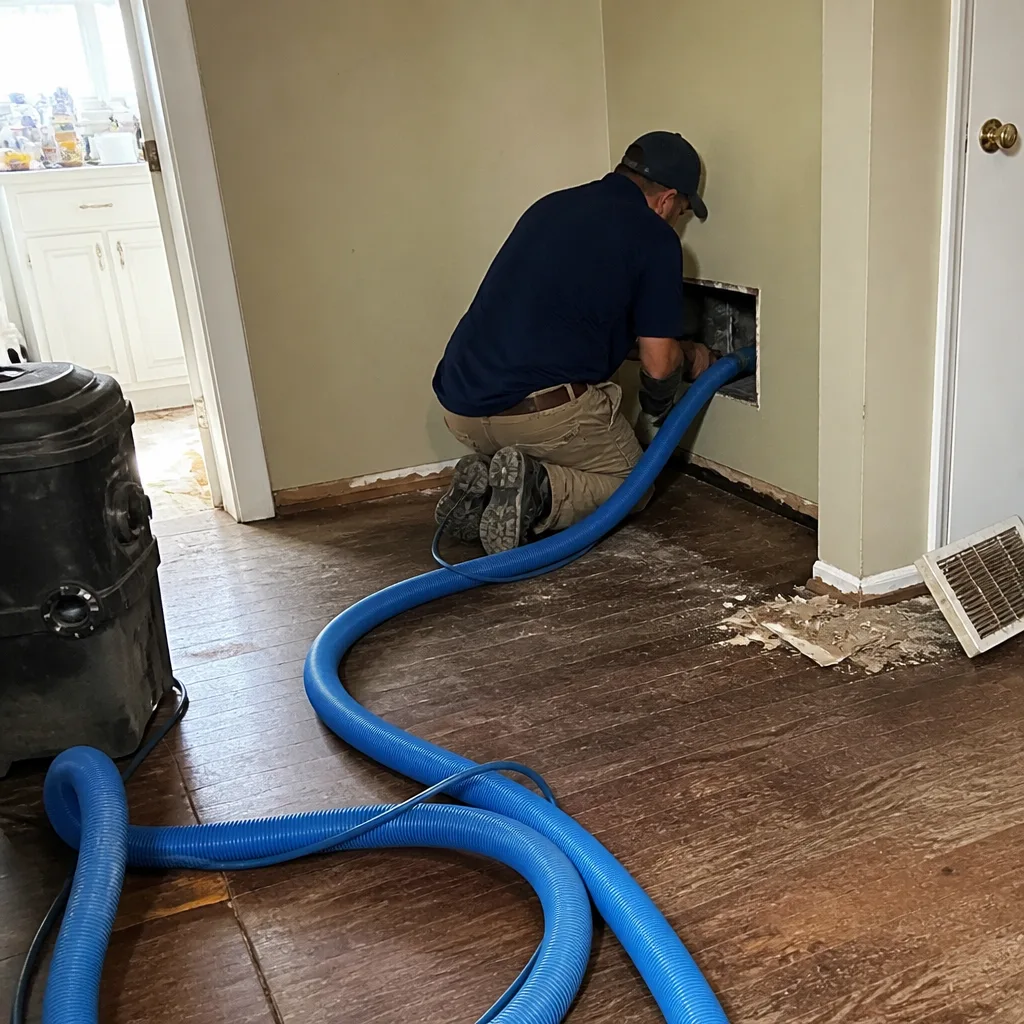 Before
 After
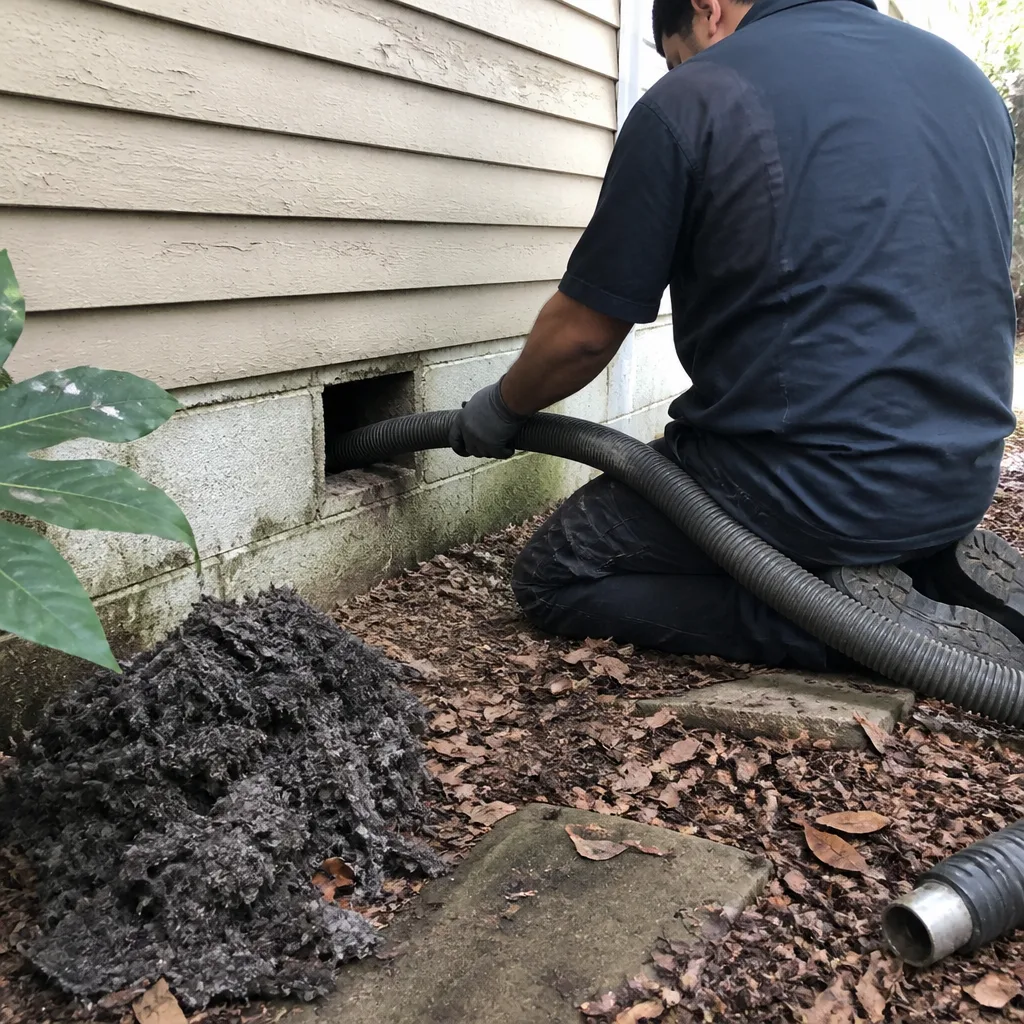 Before
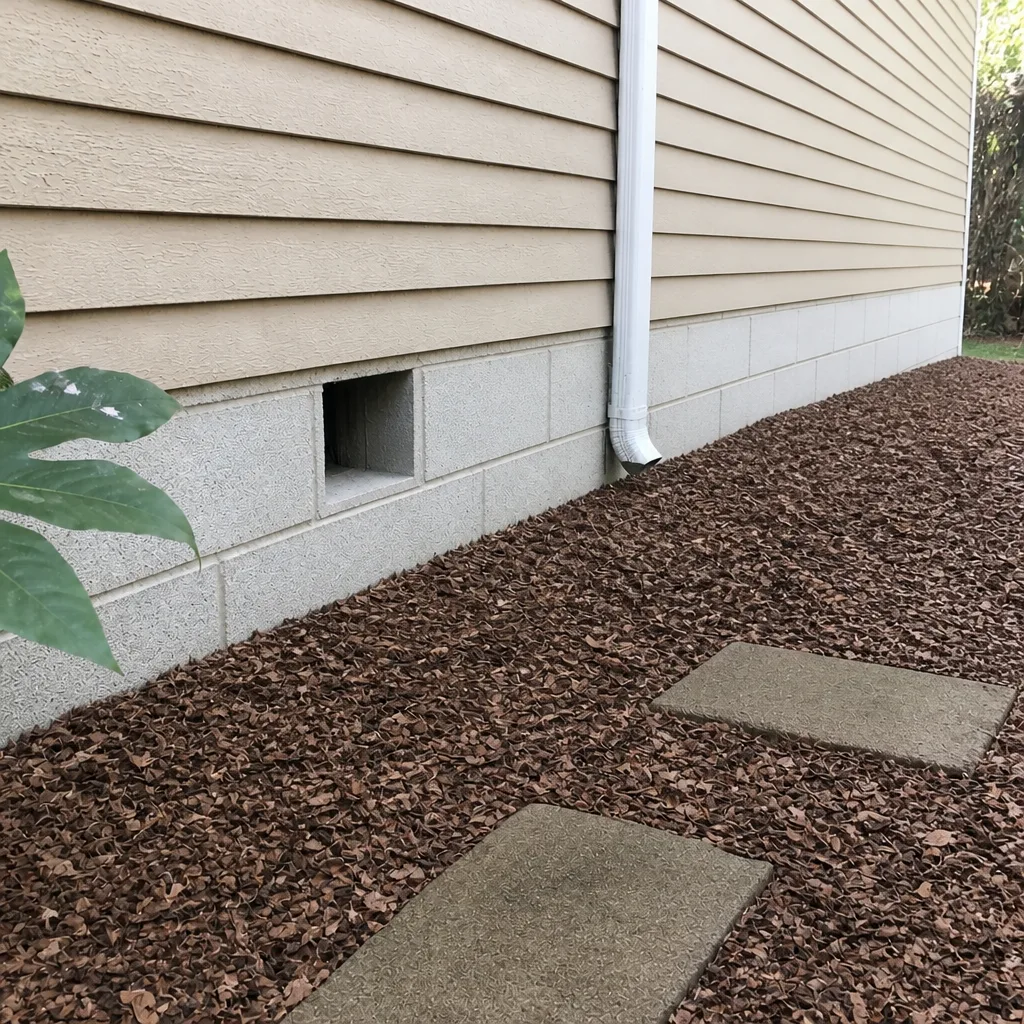 After
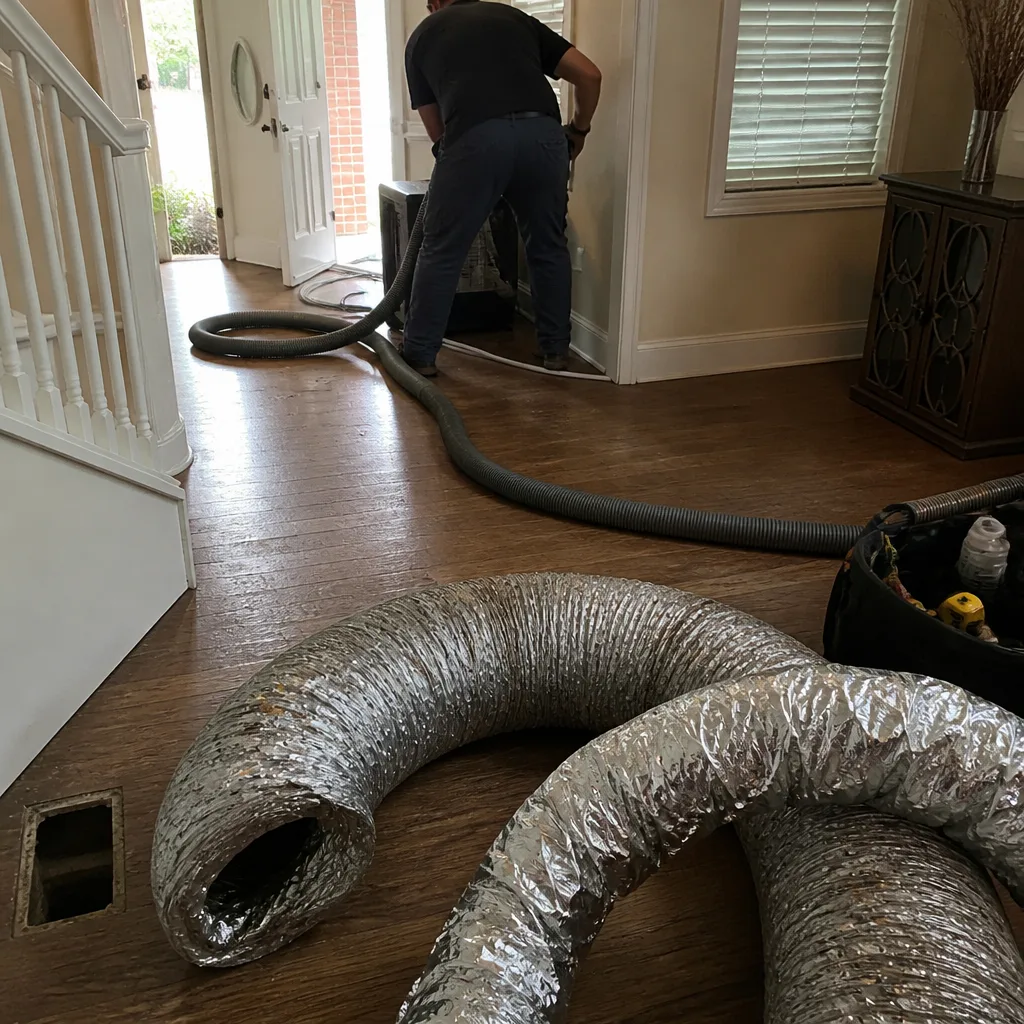 Before
 After